Shade is one of the most effective and comfortable ways to cut your exposure to UV radiation, which is why Cancer Council includes "seek shade" in its five sun-protection steps. But many people overestimate how much protection shade gives. Under a gazebo at the beach or an umbrella by the pool, a lot of UV still reaches your skin. Understanding why helps you use shade well.
Why UV matters
Ultraviolet (UV) radiation from the sun is the main cause of skin cancer. Cancer Council Australia describes Australia as having one of the highest rates of skin cancer in the world, and says most skin cancers could be prevented by protecting skin from UV. UV also damages eyes and causes skin ageing. You can't see or feel UV, and it isn't related to temperature, so cool or cloudy days can still have high UV.
UV 3+
Use sun protection
Cancer Council and ARPANSA
5 steps
Slip, slop, slap, seek, slide
Use together
Not heat
UV isn't temperature
Check the index
The UV index
The UV index measures the strength of UV radiation from the sun. The higher the number, the faster skin can be damaged. Cancer Council and ARPANSA recommend using sun protection whenever the UV index is 3 or above. In much of Australia this is the case for much of the year, often for most of the day in summer.
Check the UV index before you go out. ARPANSA publishes real-time UV readings for many cities, the Bureau of Meteorology publishes UV forecasts, and Cancer Council's free SunSmart app shows the daily sun protection times for your location.
How UV reaches you under shade
UV reaches you in three ways:
- Direct UV, straight from the sun. Shade blocks this.
- Scattered UV, from the sky in all directions. Shade blocks only the part of the sky it covers. Under a small umbrella or a high, narrow sail, much of the sky is still visible.
- Reflected UV, from surfaces around you. Sand, water, snow, concrete and light-coloured surfaces can reflect UV back up under shade.
This is why you can get sunburnt under a beach umbrella. The umbrella blocks direct sun, but scattered UV from the open sky around it and UV reflected from sand still reach you.
What makes good shade
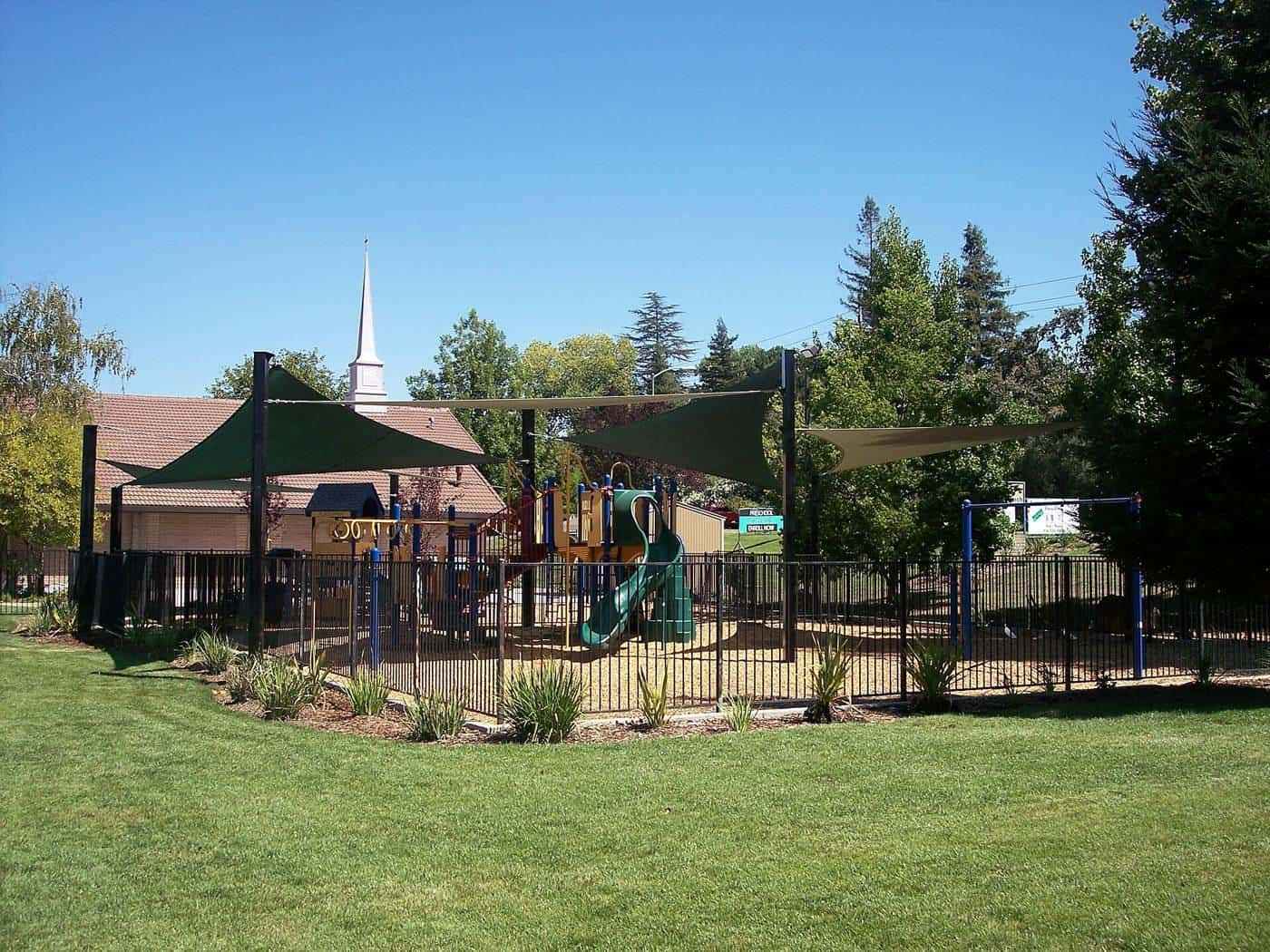
Coverage of the sky. The more of the sky your shade blocks, the better. Large, low shade with side protection is more effective than small, high shade.
Density. The material should block most UV. Solid roofs block direct UV completely; fabrics vary. See shade cloth and UPF ratings.
Position. Shade should cover where people are at the times they use the space. The sun moves, so shade that covers a table at noon may not at 3 pm.
Surroundings. Grass and dark, non-reflective surfaces reflect less UV than sand, water and light concrete.
Side protection. Walls, screens, planting or a second structure on the sunny side reduce scattered and low-angle UV.
Types of shade
Natural shade. Trees with dense canopies can give good shade, though it is patchy and changes with the seasons.
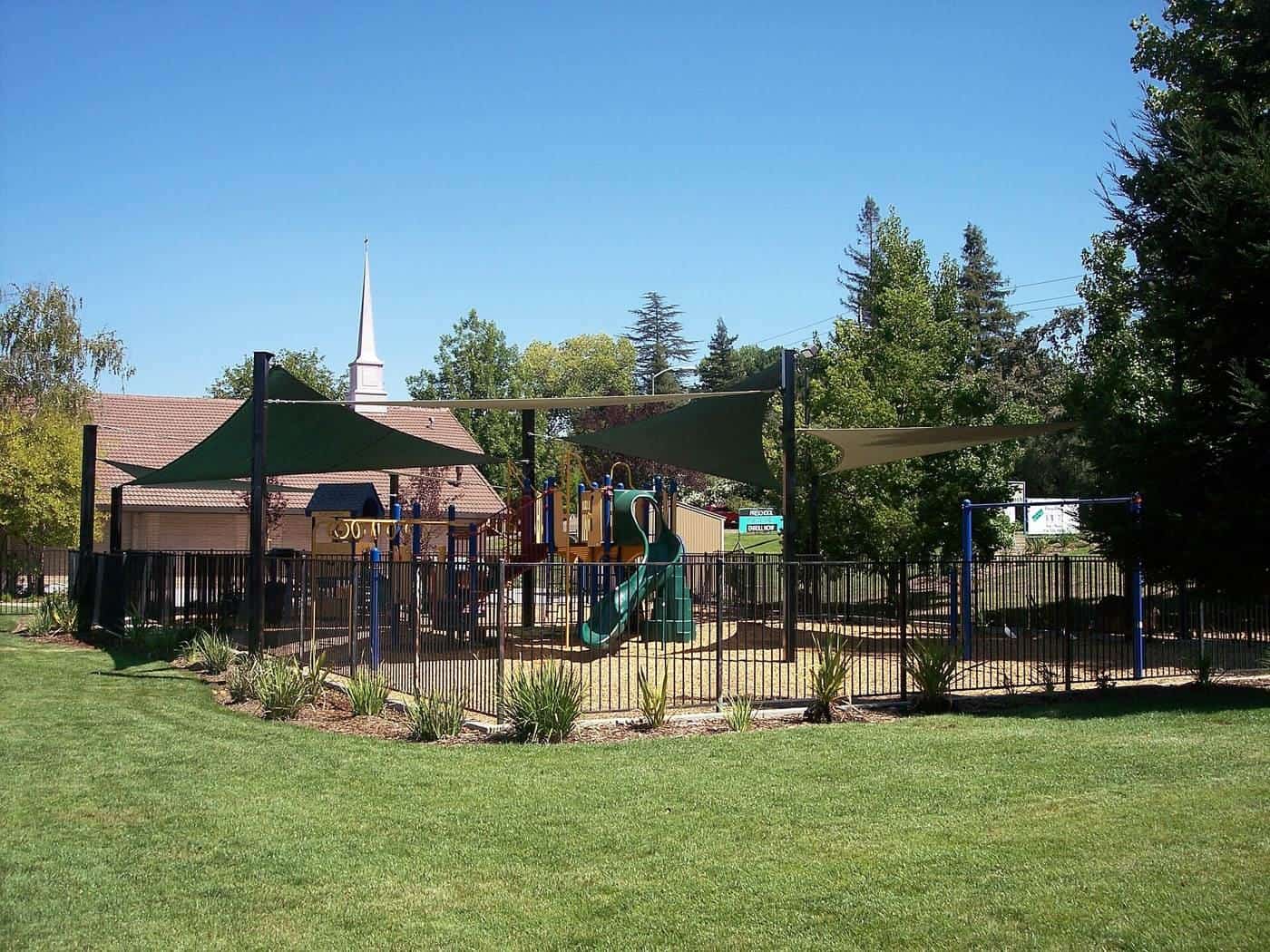
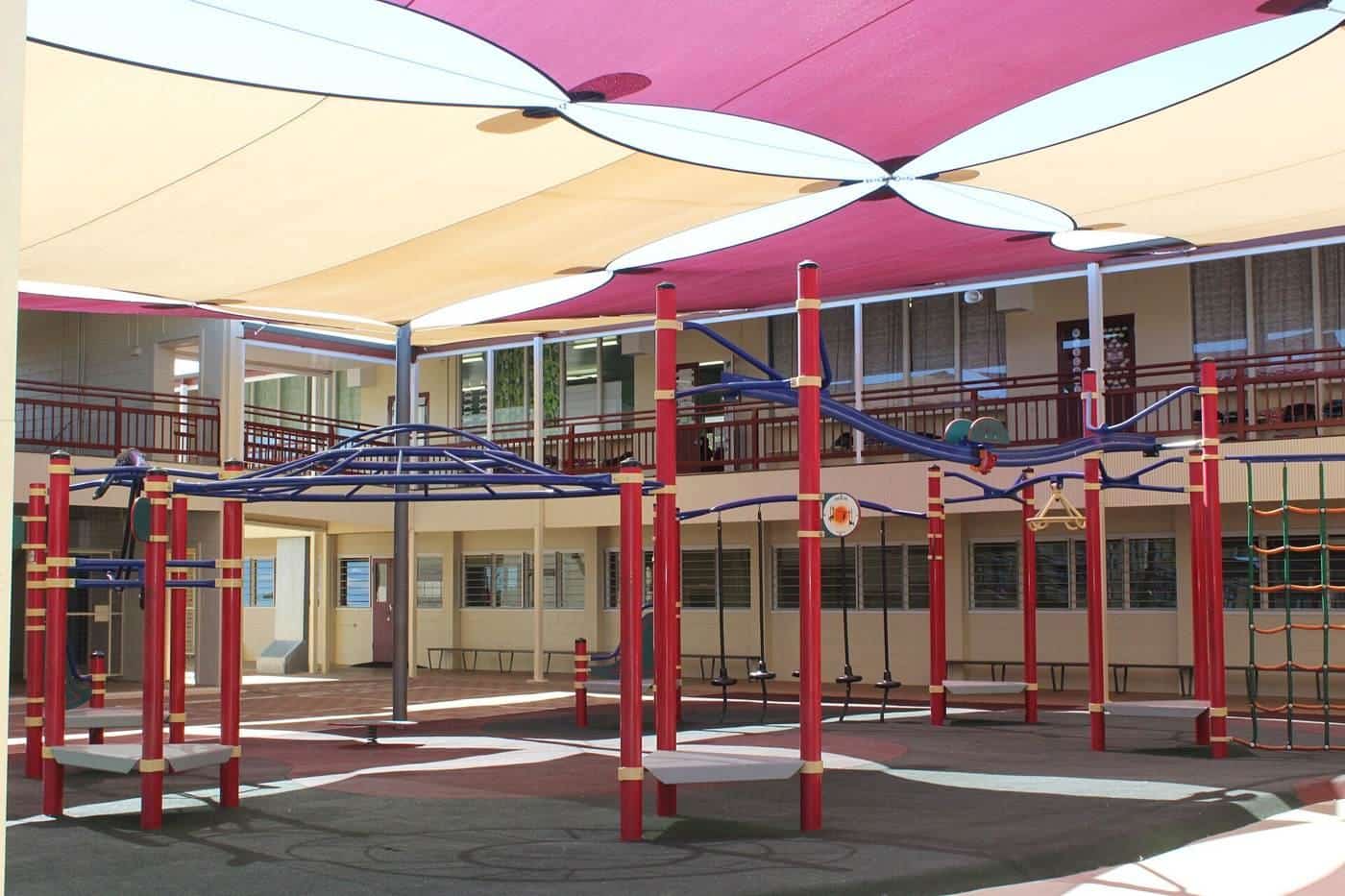
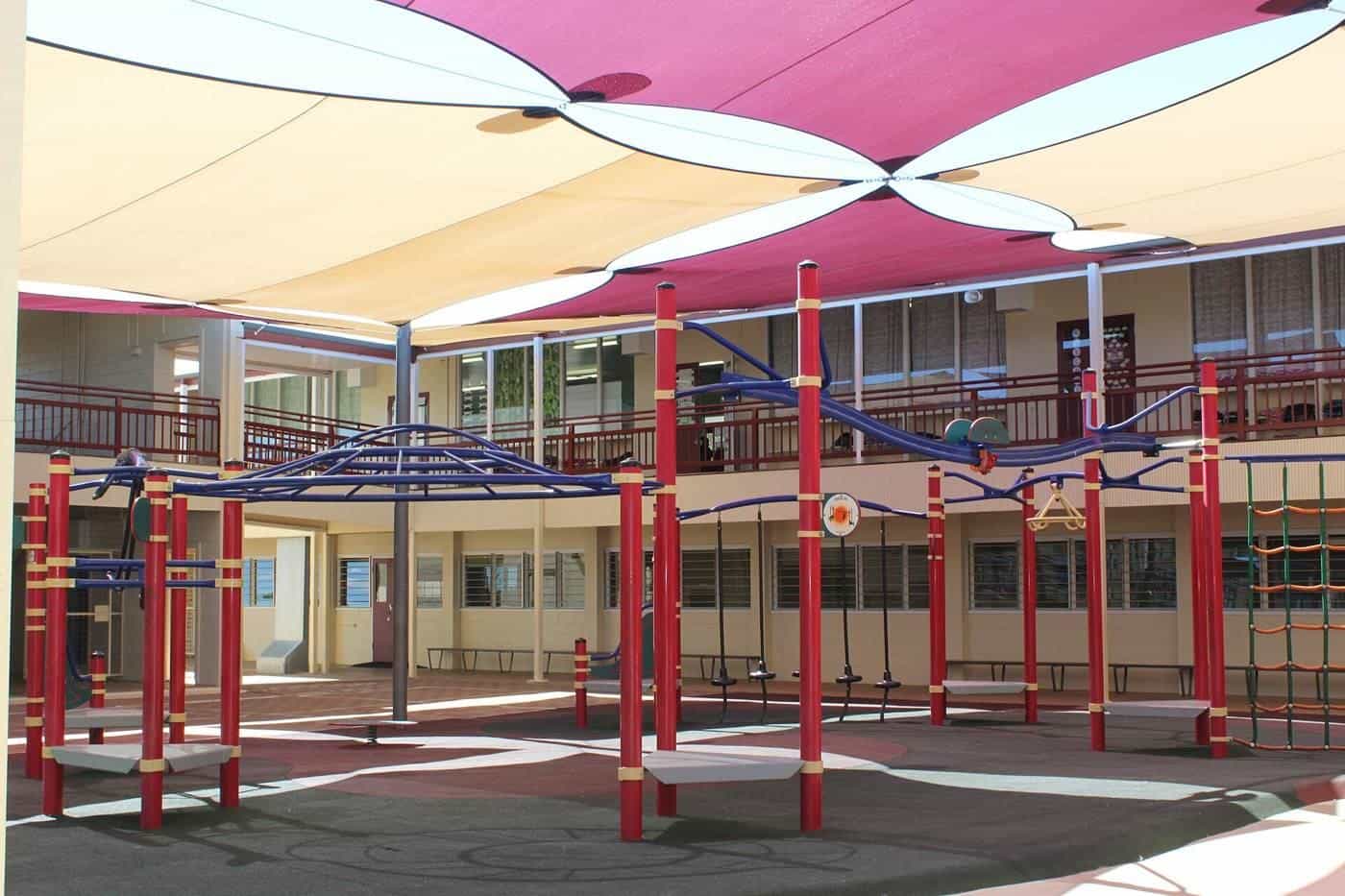
Built shade. Pergolas, patios, gazebos and sails. Solid roofs give the most protection; open pergolas and loose fabrics give less.
Portable shade. Pop-up gazebos, umbrellas and beach shelters. They are useful but often small and open-sided, so combine them with other protection.
Use all five steps
Cancer Council's five SunSmart steps are:
- Slip on sun-protective clothing that covers as much skin as possible.
- Slop on SPF 30 or higher, broad-spectrum, water-resistant sunscreen. Apply 20 minutes before going outdoors and reapply every two hours.
- Slap on a broad-brimmed hat that shades your face, head, ears and neck.
- Seek shade.
- Slide on sunglasses that meet the Australian Standard.
Shade works best as part of this routine.
Children, schools and workplaces
Babies and young children have sensitive skin. Cancer Council's SunSmart program helps schools and early childhood services provide shade and sun protection. Employers have duties to manage the risks of UV exposure for outdoor workers, and Safe Work Australia publishes guidance on controls such as shade, scheduling work outside peak UV times and providing protective clothing.
Sun-safe shade
0 of 6 done
Ticks are saved in this browser only.
Common mistakes
- Relying on shade alone at the beach or pool.
- Judging sun risk by temperature.
- Sitting at the edge of the shade.
- Using small umbrellas for long periods.
- Forgetting UV reflected from water and sand.
Shade planning at home
If you're planning shade at home, think about where your family spends time outdoors, at what times of day and in which seasons. Afternoon play areas, pools and outdoor dining spaces often benefit most. Combine built shade with trees for long-term cooling. See shade sails and our gazebos and pergolas section.
Eyes
UV also damages eyes. Shade reduces the glare and UV reaching your eyes, but reflected UV from water, sand and pale surfaces can still be significant. Cancer Council recommends close-fitting, wrap-around sunglasses that meet the Australian Standard, worn together with a broad-brimmed hat.
Shade and vitamin D
Some sun exposure is needed for vitamin D. Cancer Council has guidance on balancing the risks of UV exposure with vitamin D needs, which vary with skin type, location and season. If you're concerned about vitamin D, talk to your doctor rather than skipping sun protection.
Shade at the beach and pool
Beaches and pools are where shade alone is least effective. Sand and water reflect UV up under umbrellas and gazebos, and the open sky around a small shelter scatters UV in from the sides. People also tend to stay longer, swim and wipe off sunscreen. Choose the largest, densest shade you can carry, set it up so the shade falls where you sit, and keep using clothing, a hat, sunglasses and water-resistant sunscreen that you reapply after swimming and towelling. Rash vests and swim shirts are an easy way to cover more skin in the water.
Planning outdoor events
If you are organising a sports day, fete or outdoor event, plan shade for the times and places people will gather: spectator areas, queues, food and drink areas and first aid. Provide water, remind people about sun protection, and consider scheduling the most exposed activities outside the peak UV period around the middle of the day.
Key points
Shade blocks direct UV and some scattered UV, but not all. Use wide, dense shade positioned for when you use it, watch for reflection, check the UV index and combine shade with clothing, a hat, sunscreen and sunglasses.
Frequently asked questions
Can you get sunburnt in the shade?
Yes. UV is scattered by the sky and reflected from surfaces such as sand, water and concrete, so it can reach you under shade. Use shade together with clothing, a hat, sunscreen and sunglasses.
When is sun protection needed?
Cancer Council and ARPANSA advise sun protection when the UV index is 3 or above.
Is UV high on cloudy days?
It can be. UV can pass through cloud, and UV levels are not related to temperature.
What are the five SunSmart steps?
Slip on clothing, slop on SPF 30 or higher sunscreen, slap on a broad-brimmed hat, seek shade and slide on sunglasses.
How do I check the UV index?
ARPANSA publishes real-time UV data for many Australian cities, the Bureau of Meteorology includes UV forecasts, and Cancer Council's SunSmart app shows daily sun protection times.
Sources and further reading
Facts on this page were checked against these primary and official sources. Conditions change — confirm before you travel or buy.
- Be SunSmart — Cancer Council Australia
- Ultraviolet radiation index — ARPANSA
- Sun protection – shade — ARPANSA
- Managing the risks of UV radiation in the workplace — Safe Work Australia
- UV forecast — Bureau of Meteorology