Materials decide how a gazebo or pergola looks, how long it lasts, how much maintenance it needs and how it copes with sun, rain, salt air, termites and fire. There is no single best choice: a timber pergola that suits a sheltered garden in Melbourne may not be the best choice for a beachfront in north Queensland. This guide explains the main options and the trade-offs.
Timber
Timber is warm, natural-looking and easy to work with, which makes it a popular choice for pergolas, gazebos and Bali huts.
Treated pine. Plantation pine is treated with preservatives to resist decay and insects. Under the Australian Standard AS 1604, treated timber is classified by hazard class:
- H3: outdoor, above ground, such as beams, rafters and battens.
- H4: outdoor, in the ground, such as fence posts and garden edging.
- H5: outdoor, in the ground in critical structural situations, such as house stumps and structural posts in the ground.
Use the right class for each part. Many builders avoid setting timber posts directly in the ground, using galvanised steel post stirrups on concrete footings to keep timber off the ground.
Hardwoods. Australian hardwoods are graded by natural durability. More durable species resist decay and termites better. Hardwoods are strong and attractive but heavier and more expensive, and they can split and move as they dry.
Maintenance. All exposed timber needs a protective coating, such as paint, stain or oil, that is renewed regularly. Cut ends of treated pine should be resealed with a suitable preservative.
H3
Above-ground treated pine
Beams and rafters
H4/H5
In-ground use
Posts in soil
AS 3959
Bushfire construction
By BAL rating
Steel
Steel frames, often galvanised or pre-painted, are strong, consistent and termite-proof. They allow slimmer posts and longer spans than timber, and are widely used in kit patios and carports.
The main enemy is corrosion. Galvanising and paint systems protect steel, but scratches, cut edges and coastal or industrial air can lead to rust. Australian Standard AS 4312 describes atmospheric corrosivity zones, from mild inland areas to severe coastal environments, and manufacturers often specify which products suit which zones and how far from the sea they can be used. Rinse salt from steel regularly on coastal sites.
Aluminium
Aluminium is light, doesn't rust and is common in louvred roofs, kit pergolas and pop-up gazebos. It suits coastal sites well. It is less stiff than steel, so sections need to be larger for the same span. Avoid direct contact with other metals such as steel or copper, which can cause galvanic corrosion, and use compatible fixings.
Roofing options
Metal sheeting. Durable and good at shedding rain, but it can be noisy in rain and hot underneath unless insulated or ventilated. Light colours reflect more heat.
Insulated panels. Sandwich panels with an insulating core reduce heat and noise, and allow ceilings and lights to be installed. They cost more.
Polycarbonate. Lets light through. Clear, tinted, opal and heat-reflective options vary in how much heat and glare they block.
Louvres. Adjustable aluminium blades that open for light and air or close for rain.
Shade cloth. Lightweight, inexpensive filtered shade. See shade cloth and UPF ratings.
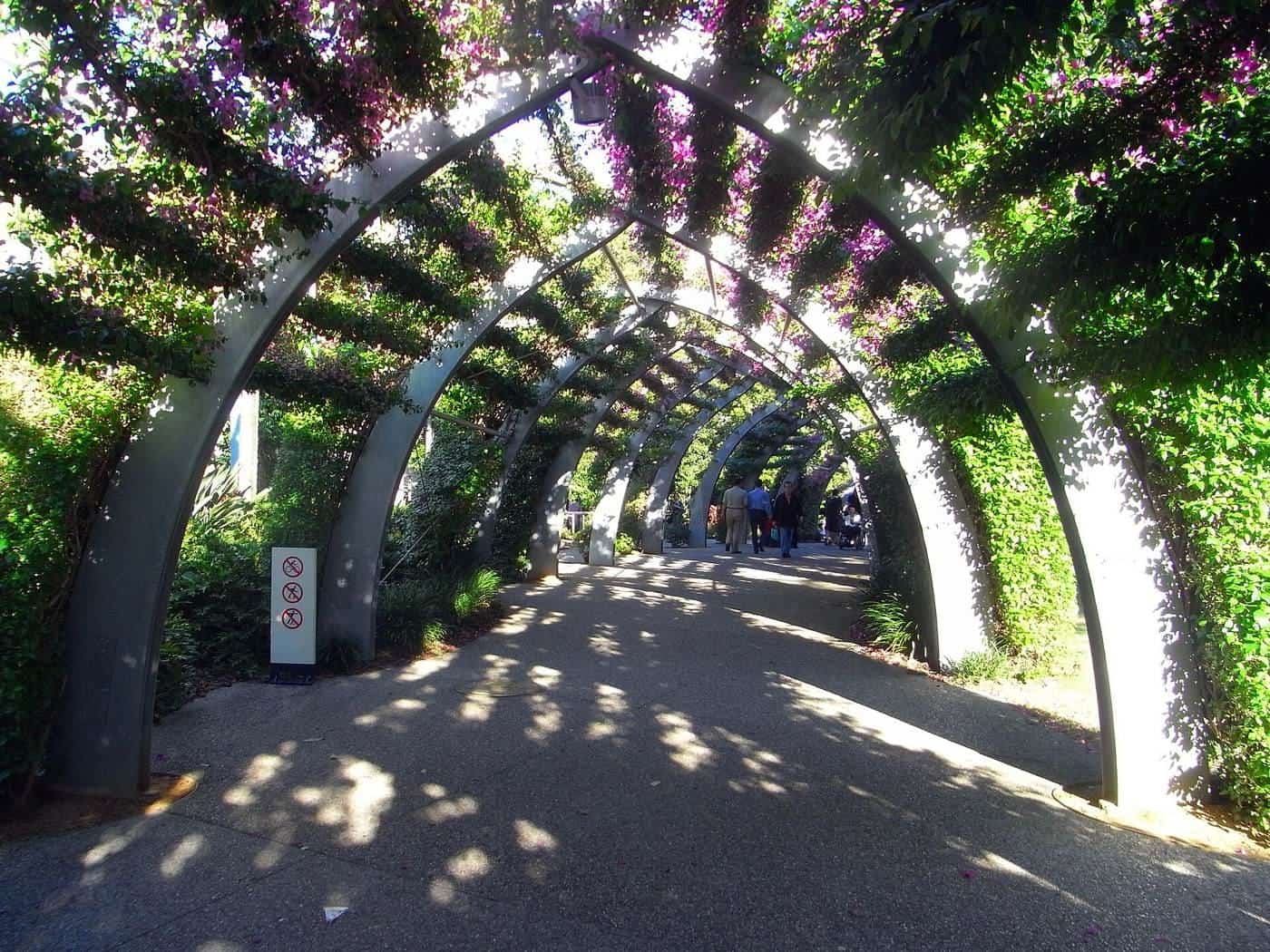
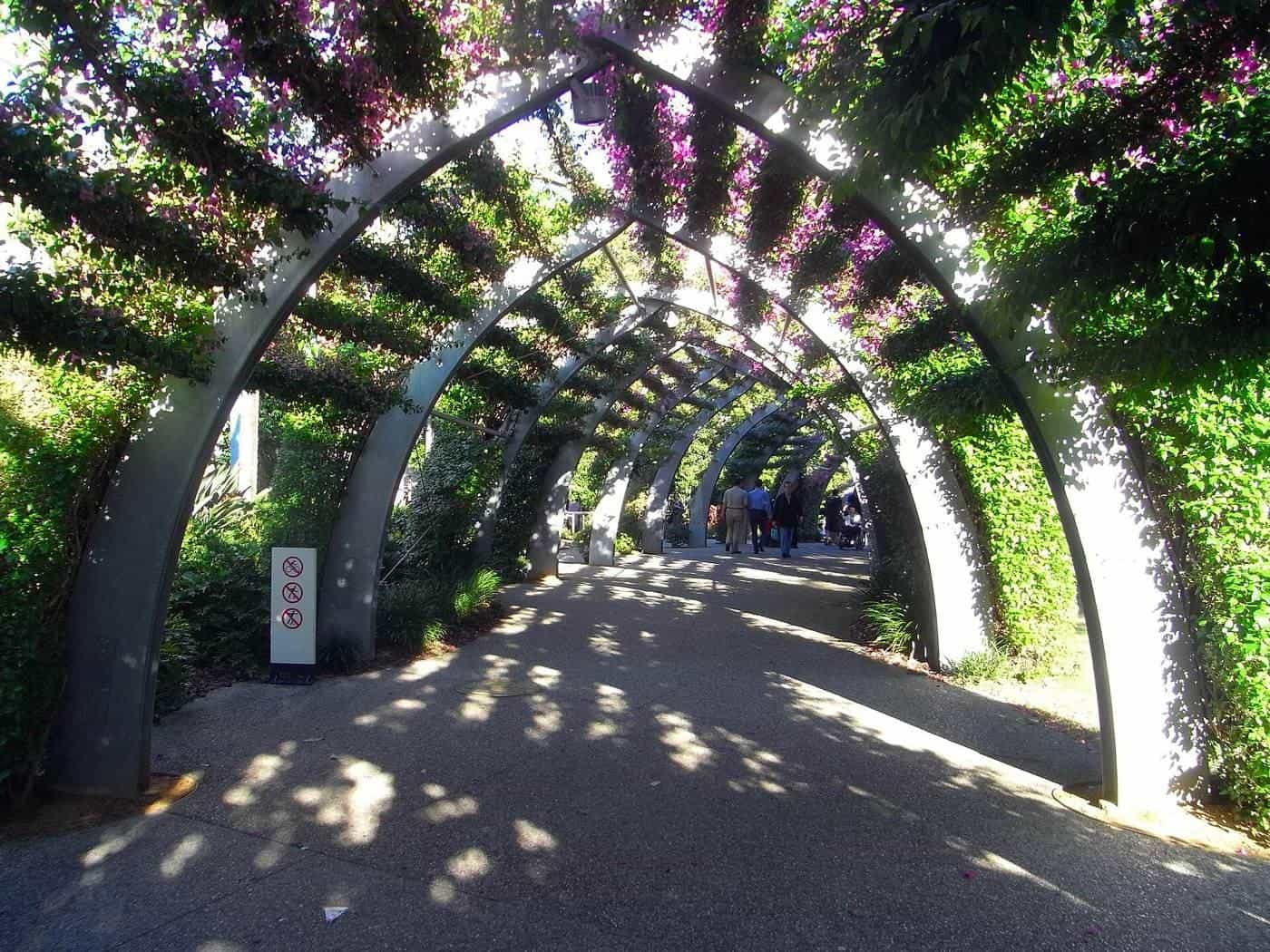
Plants. Deciduous vines on a pergola can shade in summer and let sun through in winter, as the Your Home guide describes. Grapevines, wisteria and ornamental vines are common choices. Check plants aren't invasive in your area.
Thatch. Natural or synthetic thatch on Bali huts. Natural thatch needs more maintenance and may be restricted on bushfire-prone land.
Climate and site
Coastal. Salt air corrodes metals. Choose materials and coatings rated for your distance from the sea, and rinse regularly.
Tropical and cyclonic. In cyclonic regions, structures must be designed for very high wind loads. Use engineered designs and suitable fixings.
Bushfire-prone land. Under AS 3959, construction requirements depend on the site's bushfire attack level (BAL). Some materials, such as certain timbers and plastics, may be restricted at higher BALs.
Termite areas. Use termite-resistant timber, steel or aluminium, keep timber off the ground and allow inspections.
Hot inland climates. Heat build-up under metal roofs can be high. Insulation, ventilation and light colours help.
Footings and fixings
Footings must suit the soil, the size of the structure and the wind loads. Posts are commonly fixed to concrete footings with galvanised stirrups or brackets. Fixings, bolts and brackets should be galvanised or stainless steel, compatible with the frame material, and sized to engineering requirements. Attaching a structure to a house requires care so as not to damage the roof, gutters or wall, or cause leaks.
Choosing materials
0 of 8 done
Ticks are saved in this browser only.
Common mistakes
- Using H3 timber in the ground.
- Choosing steel not rated for a coastal site.
- Using plain steel fixings with aluminium.
- Choosing clear polycarbonate and finding it too hot.
- Ignoring bushfire requirements.
Cost and lifespan
Material choices affect up-front cost and long-term costs. Timber may be cheaper to buy but costs more to maintain. Steel and aluminium need less maintenance but may cost more initially. Think about cost over the life of the structure, not just the build.
Sustainability
The Australian Government's Your Home guide encourages choosing materials with lower environmental impacts, considering embodied energy, durability and recyclability. Plantation and certified timber, recycled timber and metals, and designs that last a long time can reduce a structure's footprint. Recycled hardwood is popular for pergolas, but check it is structurally sound and free of old fixings.
Colour and heat
Colour affects heat. Light-coloured roofs and frames reflect more sunlight and stay cooler, which makes the space underneath more comfortable and reduces heat around the house. Dark colours absorb more heat. Consider how colours will look with your house and garden over many years.
Fixings and hardware
Small parts often fail first. Choose bolts, screws, brackets and post stirrups that are compatible with the frame and rated for the environment: hot-dip galvanised or stainless steel for most outdoor work, and higher grades near the sea. Check fixings for corrosion and tightness during regular maintenance.
Finishes and coatings
Paints, stains and oils protect timber from moisture and UV. Film-forming paints last longer between coats but can peel; penetrating oils and stains are easier to renew. On metal, keep powder coat and paint intact and touch up scratches promptly.
Key points
Choose materials for your climate, site and maintenance budget. Use the right treated pine hazard class, protect steel from corrosion, use compatible fixings with aluminium, choose roofing for heat and light, and check bushfire and cyclone requirements.
Frequently asked questions
What treated pine should I use for a pergola?
Under AS 1604, H3 treated pine is for outdoor use above ground, H4 for in-ground use and H5 for in-ground use in critical structural situations. Posts set in the ground need a higher hazard class than beams and rafters.
Is steel or timber better for a pergola?
Steel is strong, consistent and termite-proof but can corrode, especially near the coast. Timber is attractive and easy to work but needs regular maintenance. The right choice depends on your site, style and budget.
Is aluminium good near the beach?
Aluminium resists corrosion well, which makes it popular for coastal sites, though fixings and contact with other metals need care.
Does polycarbonate roofing get hot underneath?
Clear sheets let in light and heat. Tinted, opal or heat-reflective sheets reduce heat and glare. Check the manufacturer's specifications.
What materials suit bushfire-prone land?
It depends on the bushfire attack level (BAL) under AS 3959. Non-combustible materials such as steel are often favoured in higher BALs. Check requirements with your council or certifier.
Sources and further reading
Facts on this page were checked against these primary and official sources. Conditions change — confirm before you travel or buy.
- AS 1604 timber preservation – hazard classes — WoodSolutions
- Your Home – Materials — Australian Government
- Your Home – Shading — Australian Government
- Bushfire attack levels — NSW Planning Portal
- Aluminium — Wikipedia