Pop-up gazebos range from cheap supermarket specials to heavy commercial frames used every weekend for years. Price is a rough guide to quality, but not a reliable one. The best way to choose is to be clear about how you will use the gazebo, then check the details that make the difference: the frame, the canopy, the fittings and the support behind the product.
Start with how you will use it
Ask yourself four questions before you look at products.
How often? A gazebo used two or three times a summer in the backyard has an easy life. One used every weekend at markets or sport gets put up, packed down, loaded and unloaded dozens of times a year. Frequent use justifies a stronger frame and better canopy.
Where? Grass and soil let you use pegs and guy ropes. Hard surfaces such as car parks, school yards and paved plazas mean you rely on weights. Beaches mean sand, salt and gusty wind.
Who carries it? A large steel gazebo can be awkward or too heavy for one person to move. If you often set up alone, packed weight and a wheeled bag matter.
What else does it need to do? Side walls for wind and privacy, branding for a business or club, fire-retardant fabric for events, or the ability to join several gazebos together.
3 × 3 m
Most popular size
Market and family use
Steel or aluminium
Frame materials
Trade-offs both ways
Coated polyester
Common canopy
PU or PVC coating
The frame
The frame does most of the work and is the hardest part to fix if it fails.
Material. Steel frames are common at lower prices. Steel is stiff for its cost and the extra weight helps a little in wind, but it is heavy to carry and can rust where the powder coat is chipped. Aluminium frames are lighter and resist corrosion, which suits coastal use, but a cheap aluminium frame with thin walls can bend more easily than a good steel one.
Leg profile and wall thickness. Larger legs with thicker walls are stiffer. Hexagonal and large square legs are common on heavier-duty frames. Some sellers quote leg size and wall thickness; if they don't, ask.
Truss and joints. The scissor trusses between the legs carry the roof and keep the frame square. Look for solid rivets or bolts, metal rather than plastic brackets at stress points, and a truss that sits firmly when open. Plastic corner fittings are a common failure point on cheap frames.
Height adjustment. Telescoping legs usually have several height settings with push-button locks. Check the locks feel positive and that the lowest setting is useful for packing down in wind.
Feet. Larger foot plates with holes for pegs, and the option to attach weights, make anchoring easier.
The canopy
Fabric. Most canopies are woven polyester with a waterproof or water-resistant coating such as polyurethane (PU) or polyvinyl chloride (PVC). Fabric weight is often quoted in grams per square metre or denier. Heavier fabrics tend to resist tearing and UV damage better, but add weight.
Waterproofing. "Water resistant" and "waterproof" are not the same. Taped or sealed seams stop leaks along stitching. A peaked roof with a good pitch sheds rain better than a flat one, and keeping the canopy tight stops water pooling.
UV rating. Many canopies claim a UV protection rating. A stated rating is more useful than a vague claim, but remember that a canopy only blocks direct and some scattered UV. See sun protection under shade.
Vents. A roof vent lets hot air and wind escape, which can improve comfort and reduce lift in gusts.
Fire retardancy. Some markets and events require canopies made from fire-retardant fabric, particularly for food stalls. Ask for documentation if you need it.
Walls and accessories
Side walls turn a canopy into a shelter. Solid walls block wind, low sun and rain; mesh walls reduce glare and insects while letting air through; walls with windows or doors suit stalls and events. Half walls are useful for counters. Other accessories worth considering include weights designed for gazebo legs, guy rope kits, gutters to join two gazebos, LED lights, and a wheeled bag.
Weight and transport
Check the packed weight and size. A gazebo that is too heavy to carry comfortably is more likely to be dropped, dragged or set up alone, which damages frames and people. A wheeled carry bag makes a big difference. Measure your car boot.
Warranty and support
Look at what the warranty covers and for how long, whether spare parts and replacement canopies are available, and how claims are handled. Under the Australian Consumer Law, products come with consumer guarantees, including that they are of acceptable quality and fit for any purpose the seller was told about. These guarantees apply in addition to any manufacturer's warranty.
Matching gazebo to use
Occasional backyard use. A mid-range steel or aluminium frame with a coated canopy is usually fine. Use pegs and guy ropes on grass.
Regular sport or school events. A sturdier frame, weights for hard surfaces and a canopy that can carry club branding.
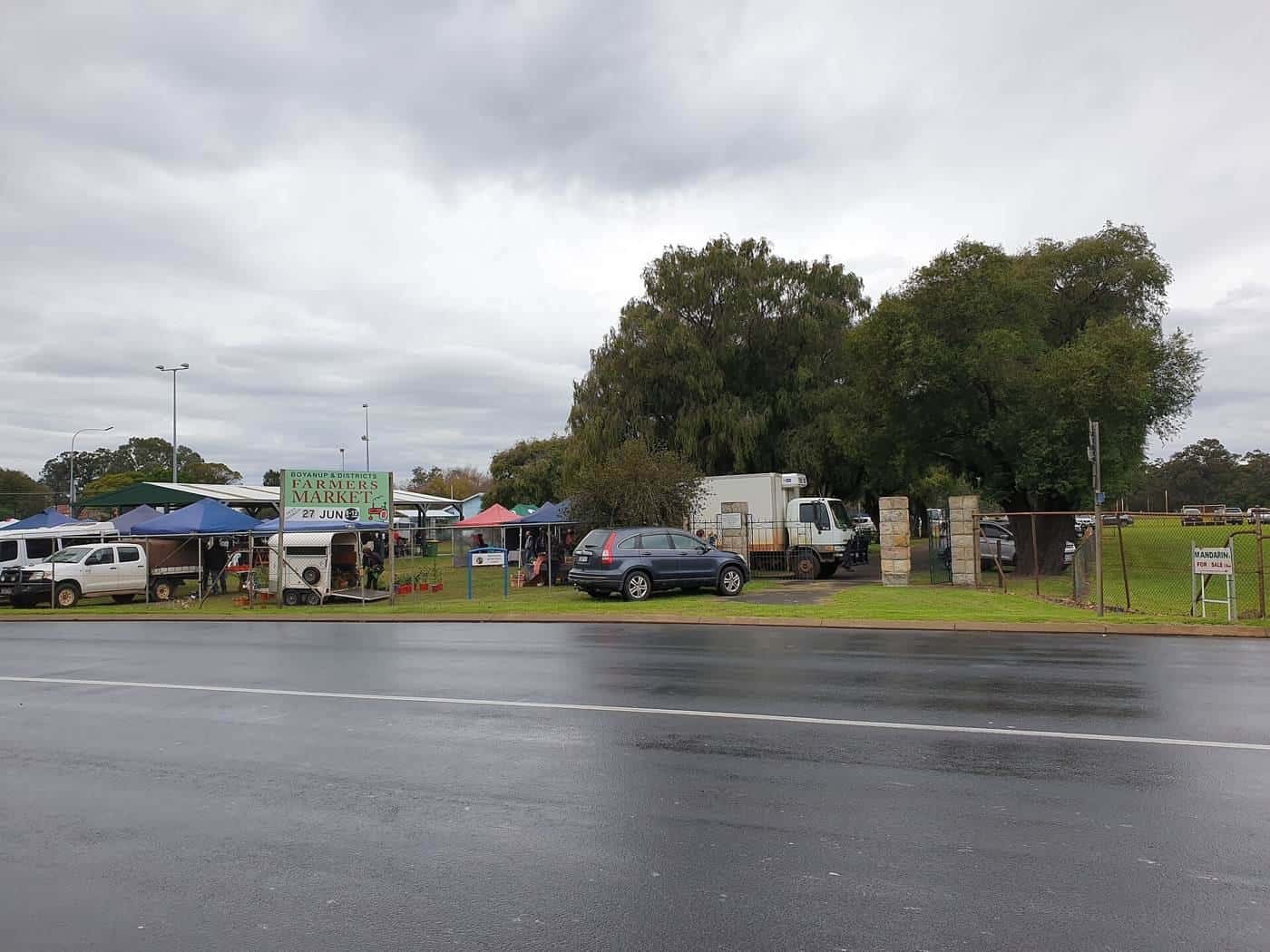
Weekly markets. A heavy-duty frame, fire-retardant canopy if required, solid side walls, proper weights and a wheeled bag. See market stall gazebos.
Beach and camping. A lighter aluminium frame, sand pegs or bags, and a canopy with good UV resistance.
Before you buy
0 of 7 done
Ticks are saved in this browser only.
Common mistakes
- Comparing gazebos only on size and price.
- Assuming "heavy duty" means the same thing between brands.
- Ignoring packed weight and then struggling to carry it.
- Skipping weights to save money.
- Not checking whether replacement canopies are available.
Questions to ask the seller
Before buying, ask: What is the leg profile and wall thickness? Are the brackets metal or plastic? What is the canopy fabric, coating and weight? Are seams taped? Is the canopy fire-retardant, and can you supply documentation? What does the warranty cover, and for how long? Can I buy a replacement canopy or spare parts later? A seller who answers clearly is more likely to stand behind the product.
Buying second-hand
Second-hand gazebos can be good value, especially from stallholders upgrading. Put it up before paying. Check the frame opens and locks smoothly, legs are straight, rivets are tight, brackets aren't cracked and the canopy has no tears, mould or brittle, faded patches. A good frame with a tired canopy can be worth buying if a replacement canopy is available.
Hiring instead of buying
For a one-off event, hiring may make more sense. Hire companies can supply larger gazebos and marquees, weights, walls and lighting, and some will set them up for you. They will also know the rules for many local venues. Compare the cost of hiring with buying a gazebo you may only use once.
Key points
Decide how and where you will use the gazebo before comparing products. Look past labels to the frame, joints, canopy fabric and fittings. Check packed weight, accessories and warranty, and budget for weights from the start.
Frequently asked questions
Is a steel or aluminium gazebo better?
Neither is always better. Steel is usually cheaper and heavier, and can rust if scratched. Aluminium is lighter and corrosion-resistant but costs more for the same stiffness. Compare leg size, wall thickness and joint quality.
What does "commercial grade" mean?
There is no standard definition. Ask for the leg profile and wall thickness, the canopy fabric and coating, and the warranty terms instead of relying on the label.
What canopy fabric is best?
A tightly woven polyester with a waterproof coating, taped seams, reinforced corners and a stated UV rating is a good start. Heavier fabric usually lasts longer but adds weight.
Do I need a fire-retardant canopy?
Some markets, events and venues require fire-retardant canopies, especially near cooking. Check their rules before you buy.
How heavy is a pop-up gazebo?
It varies widely with size and frame. A small aluminium gazebo may be easy for one person to carry, while a large steel one can need two people and a trolley. Check the packed weight before you buy.
Sources and further reading
Facts on this page were checked against these primary and official sources. Conditions change — confirm before you travel or buy.
- Gazebo — Wikipedia
- Product safety – consumer guarantees — ACCC
- Be SunSmart — Cancer Council Australia
- Ultraviolet radiation index — ARPANSA