Australia's sun is strong, its weather changeable and its outdoor life a big part of how people live. A good gazebo or pergola turns a hot patch of lawn into somewhere to eat, a market pitch into a shopfront and a sporting sideline into somewhere you can actually stay all day. Choose the wrong one, or put it up badly, and you get a canopy that leaks, a frame that buckles, or a gazebo that cartwheels across a car park in the first gust.
Gazebos Australia is an independent guide to getting it right. We explain the types of shade structures, how to size and anchor portable gazebos, what to think about before building something permanent, how council approval works in general terms, which materials suit which conditions and how shade fits into sun safety. We don't sell gazebos and we aren't connected with any manufacturer or store.
UV 3+
When to use sun protection
Cancer Council advice
3 × 3 m
Most common pop-up size
Typical market pitch
Every leg
Weigh down
Plus guy ropes
Pop-up gazebos
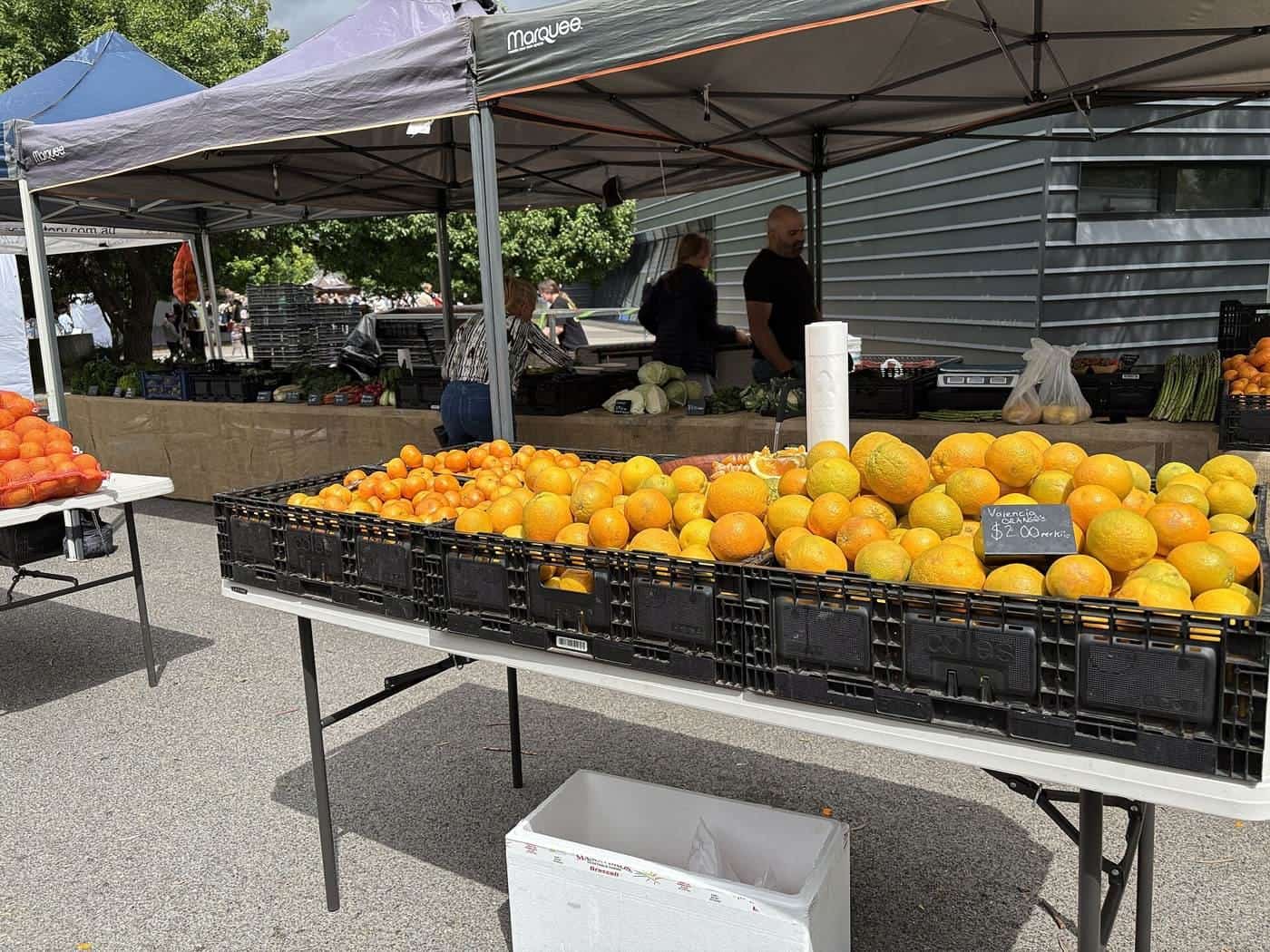
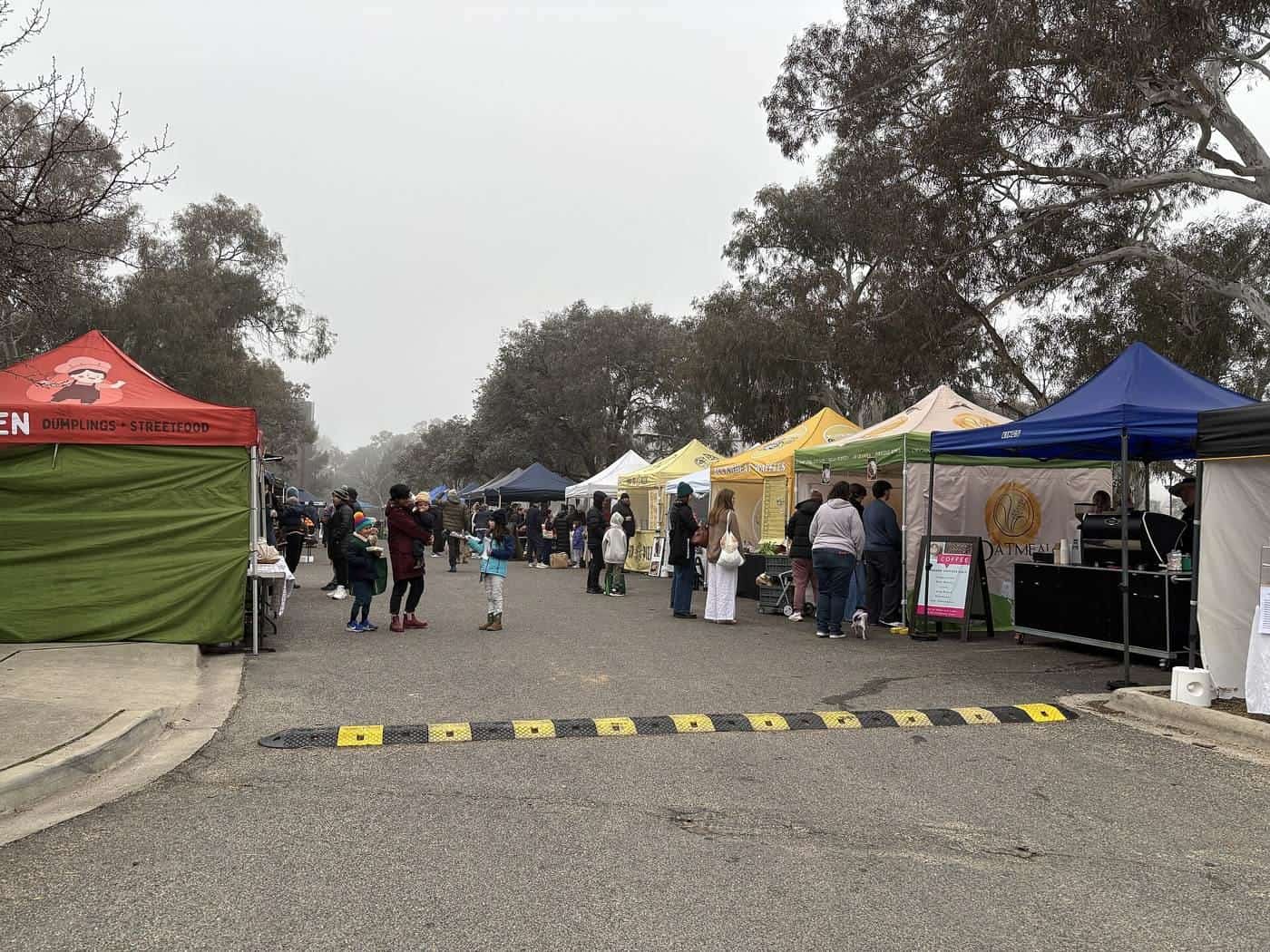
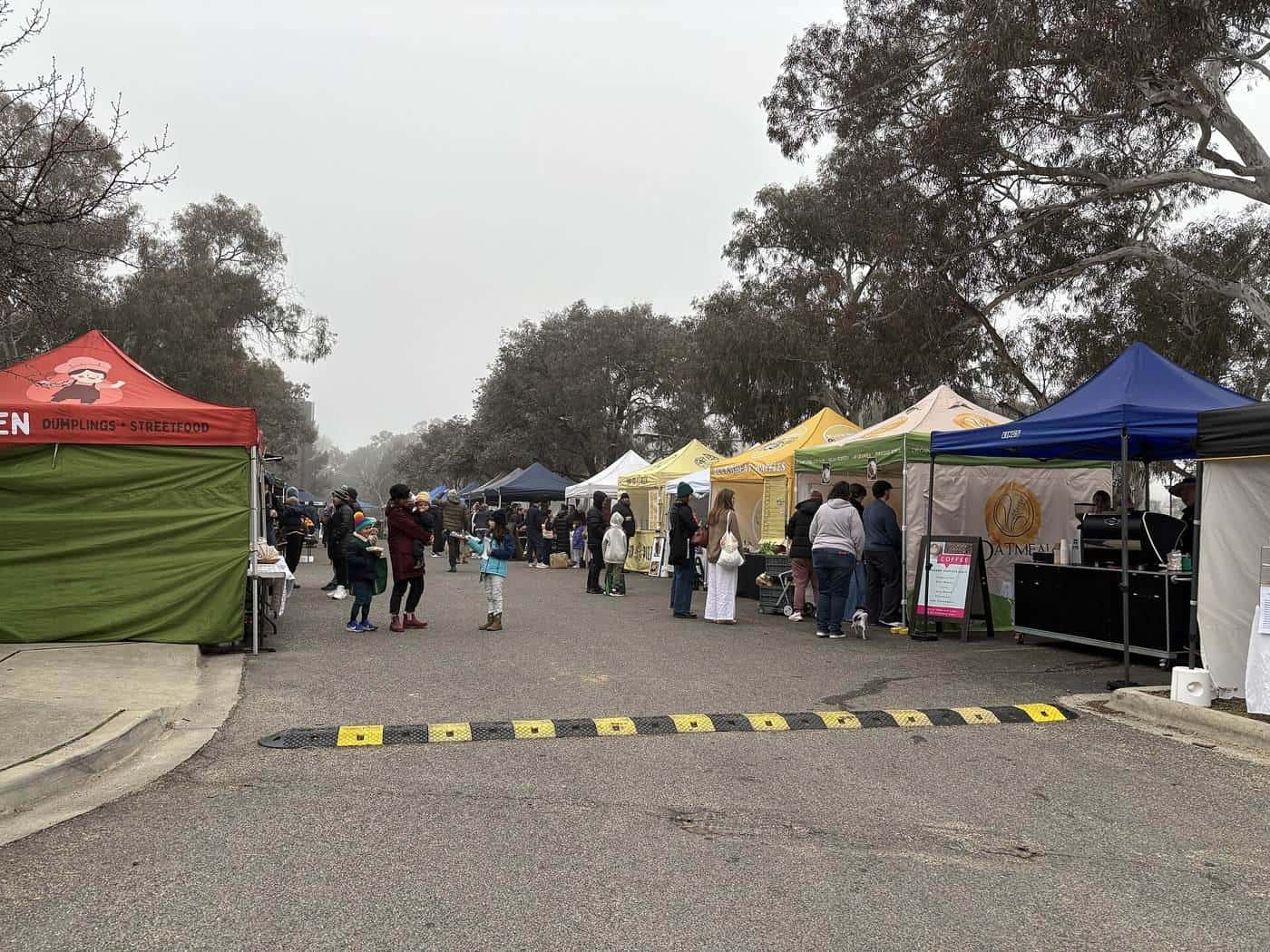
Folding pop-up gazebos, also called instant shelters, canopies or marquees, are the workhorse of Australian weekends. They go up in minutes for markets, sport, beach days, camping, school fetes and backyard parties, then fold into a carry bag. Our pop-up gazebos section covers choosing a pop-up gazebo, gazebo sizes, wind and anchoring, market stall gazebos and care and repair.
The biggest differences between a cheap gazebo and a good one are the frame, the canopy fabric and the fittings. A thicker frame with strong joints and a coated, well-stitched canopy will last many seasons. A flimsy one may not survive its first windy afternoon.
Permanent gazebos and pergolas
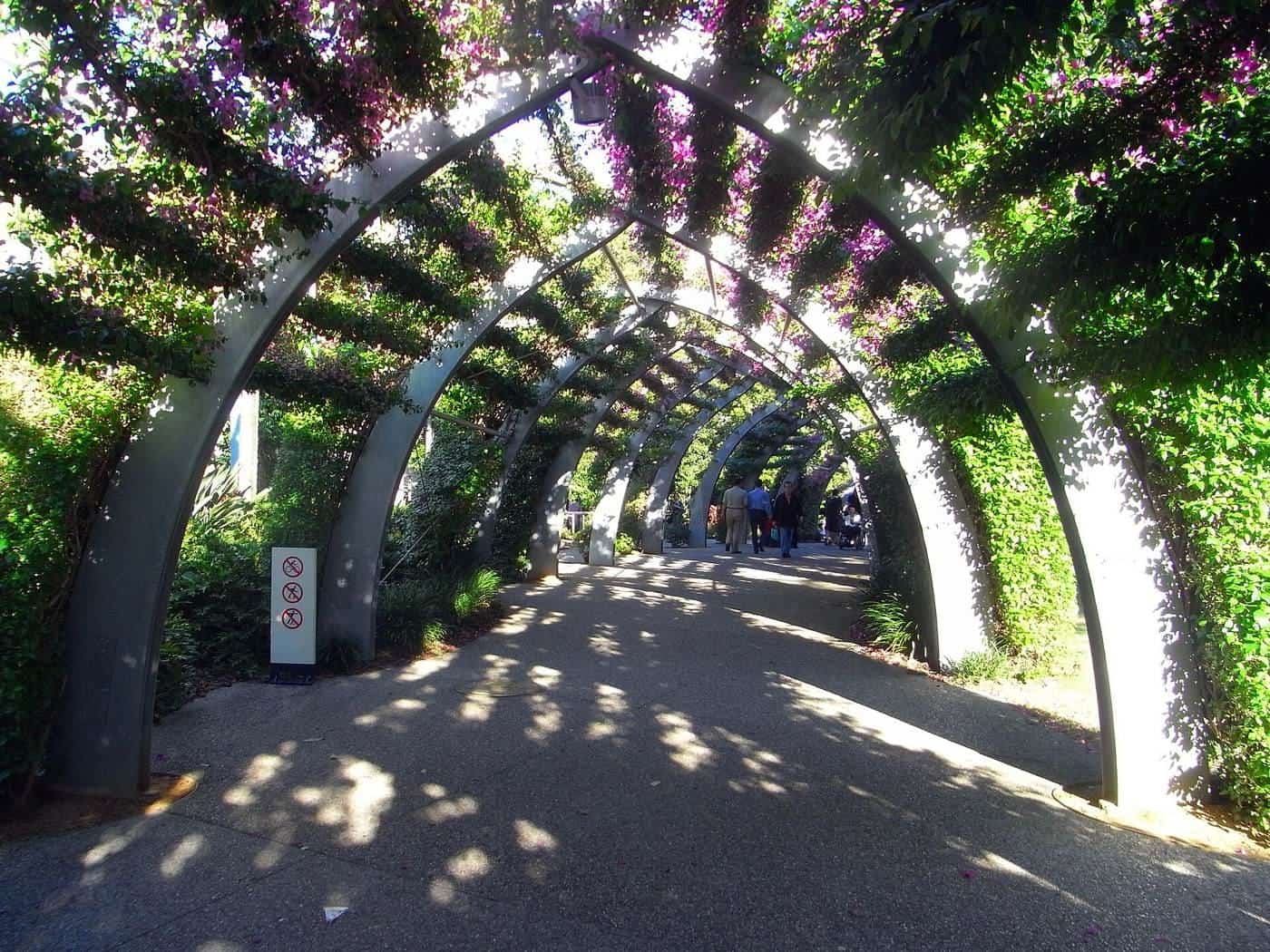
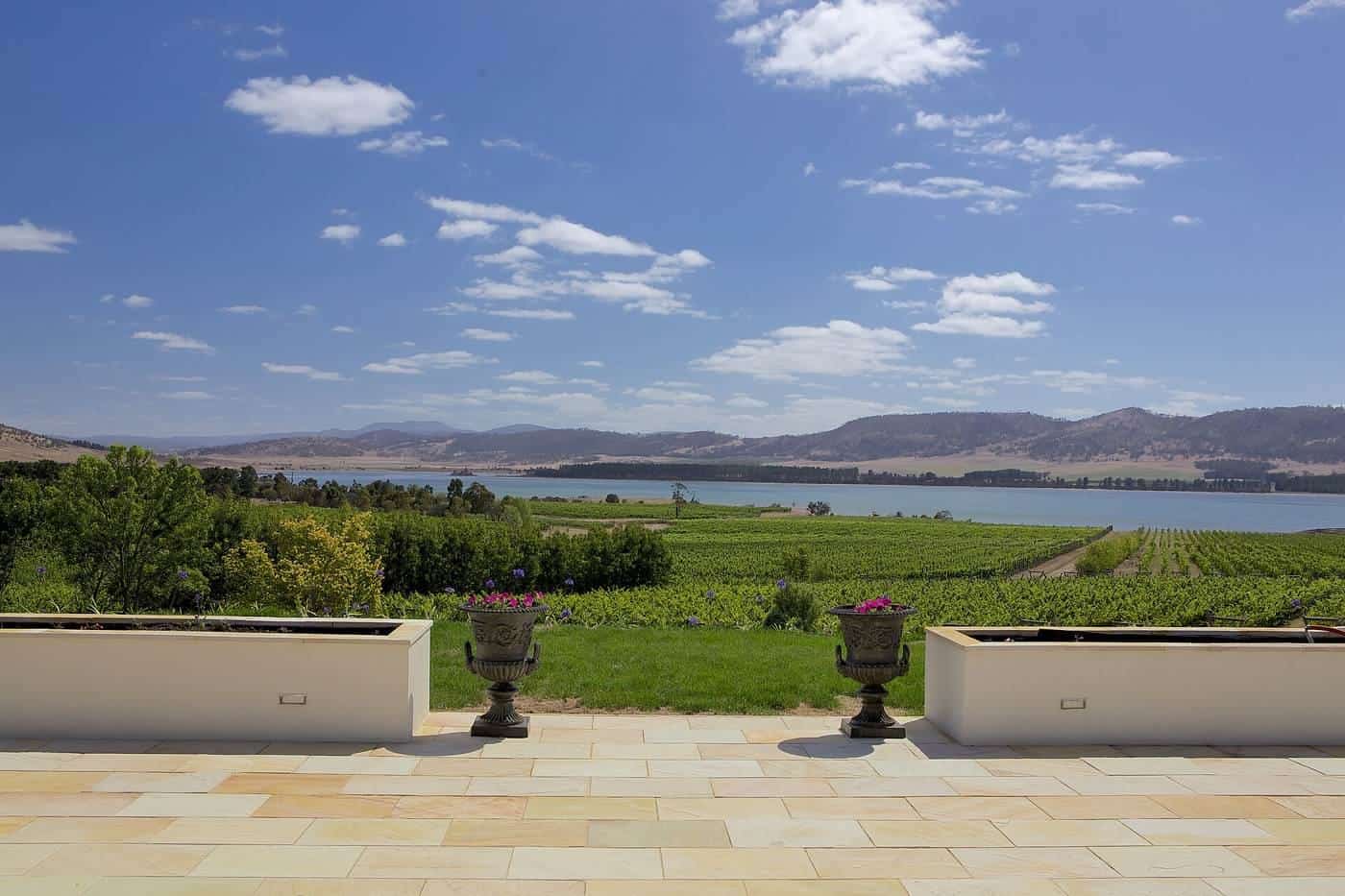
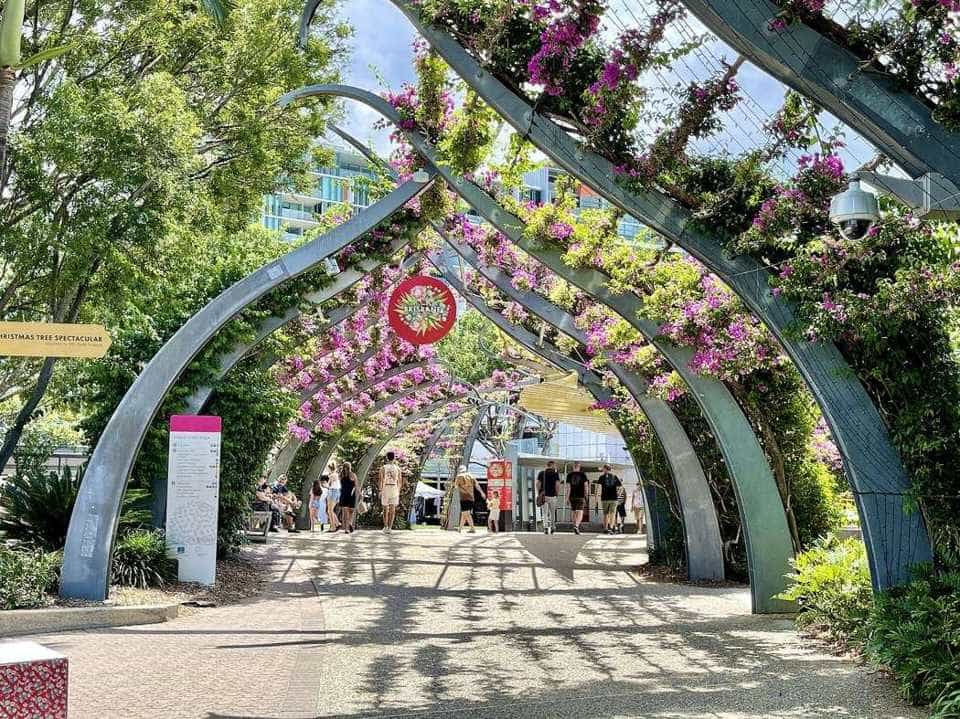
A permanent structure is a bigger commitment. Garden gazebos, pergolas, patios, Bali-style huts and freestanding pavilions add shade and living space, and can add appeal to a home, but they must be designed for local wind, built on suitable footings and, in many cases, approved. Our gazebos and pergolas section explains the differences between gazebos, pergolas and other structures, council approval and materials.
Shade and sun
Shade is one of the five sun-protection steps promoted by Cancer Council, alongside clothing, sunscreen, a hat and sunglasses. Our shade and sun section covers sun protection under shade, shade sails and shade cloth and UPF ratings, so you understand what a shade structure can and can't do.
Five things to know before you buy or build
- Size for the use, not the box. Work out how many people need cover and how they will use it. Allow extra for walkways and for shade that moves as the sun moves.
- Wind is the main enemy. Most gazebo failures come from wind. Weights, guy ropes and knowing when to pack down matter more than almost anything else.
- Fabric matters. Look for a stated UV rating, coated and taped seams and reinforced corners. Cheap canopies fade, tear and leak.
- Permanent means planning. Check council rules, setbacks, easements, bushfire requirements and wind ratings before building anything fixed.
- Shade is not a full sunscreen. Reflected and scattered UV still reaches you. Combine shade with other sun protection.
Choosing the right shade for the job
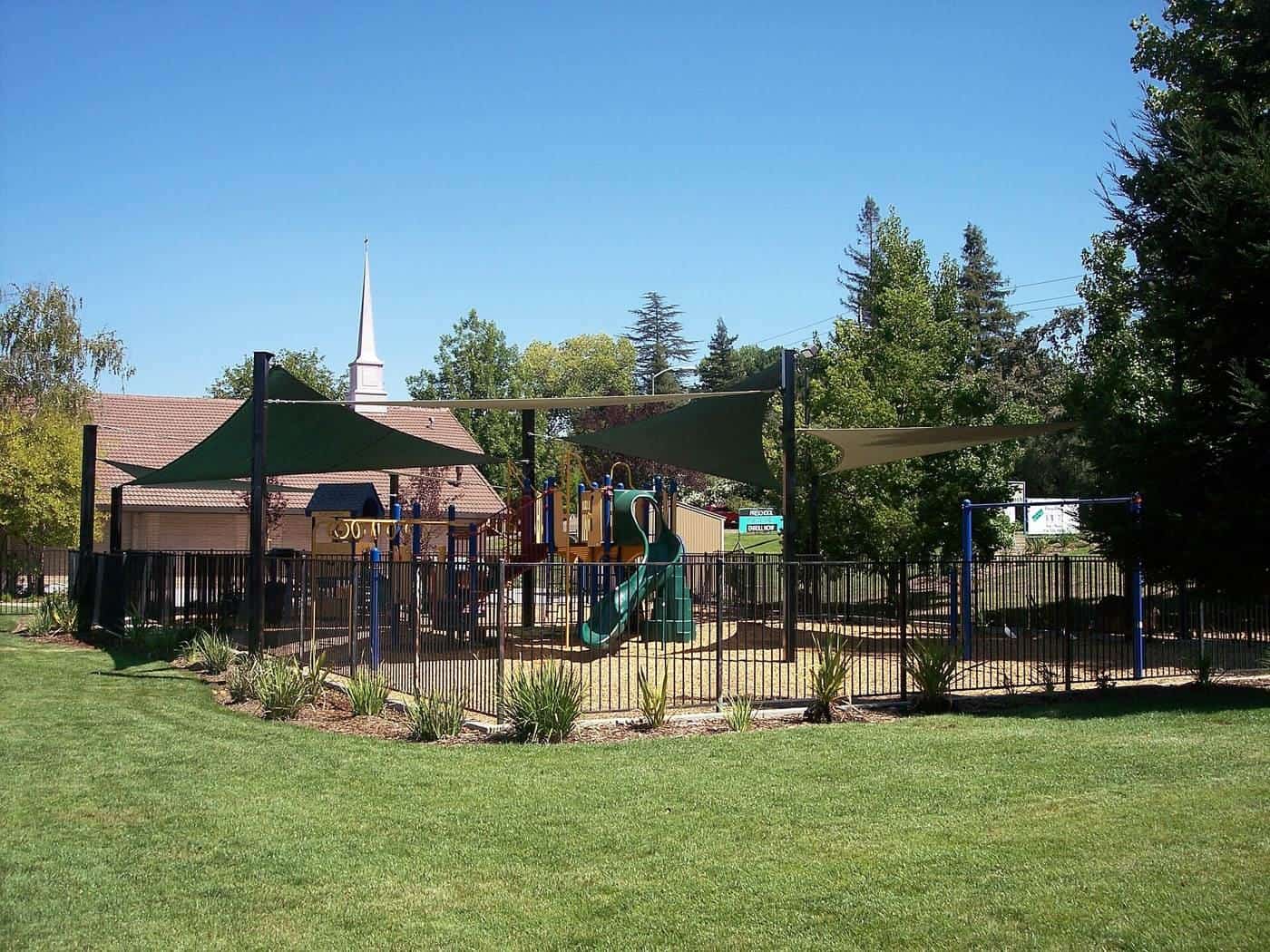
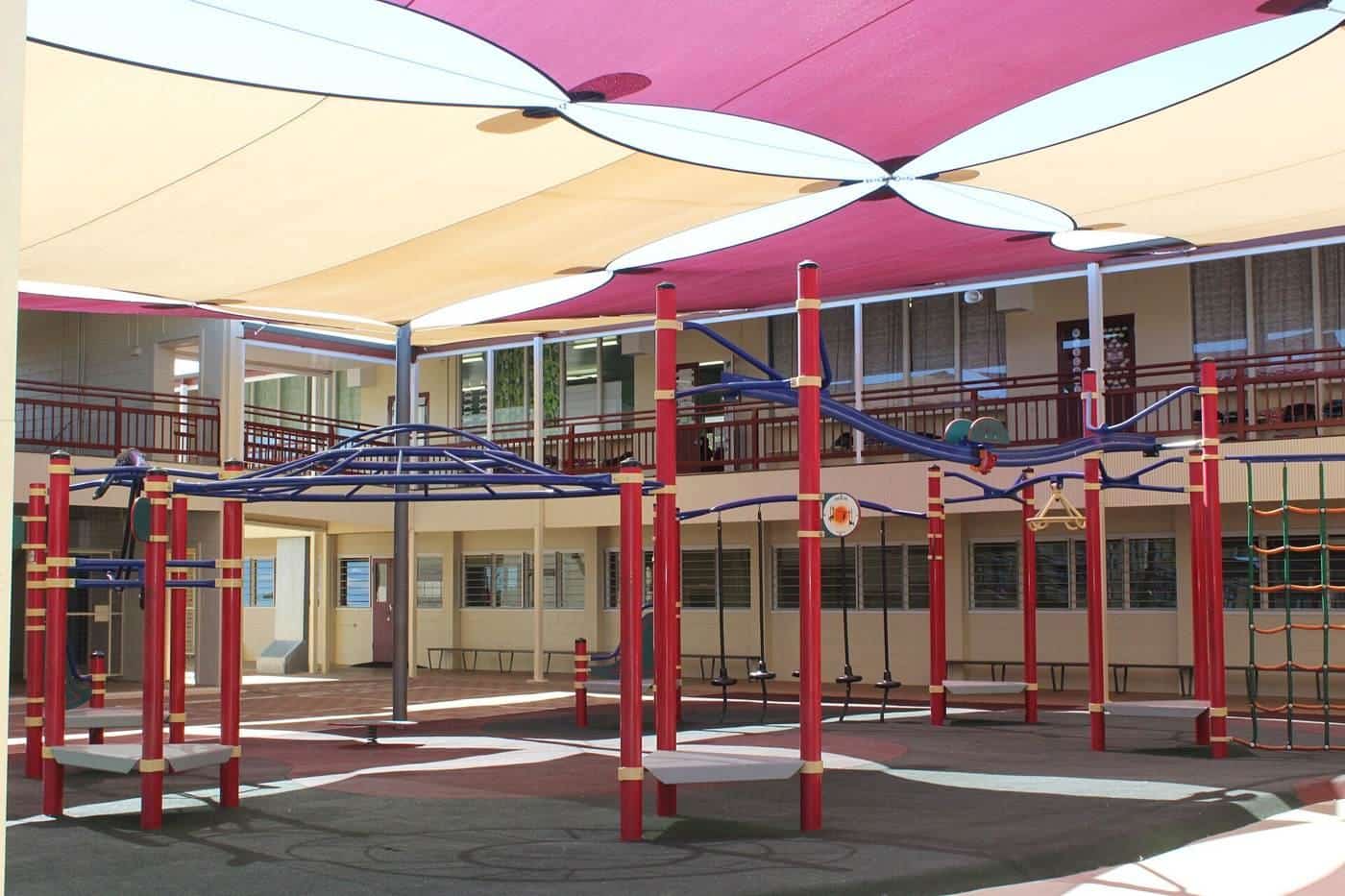
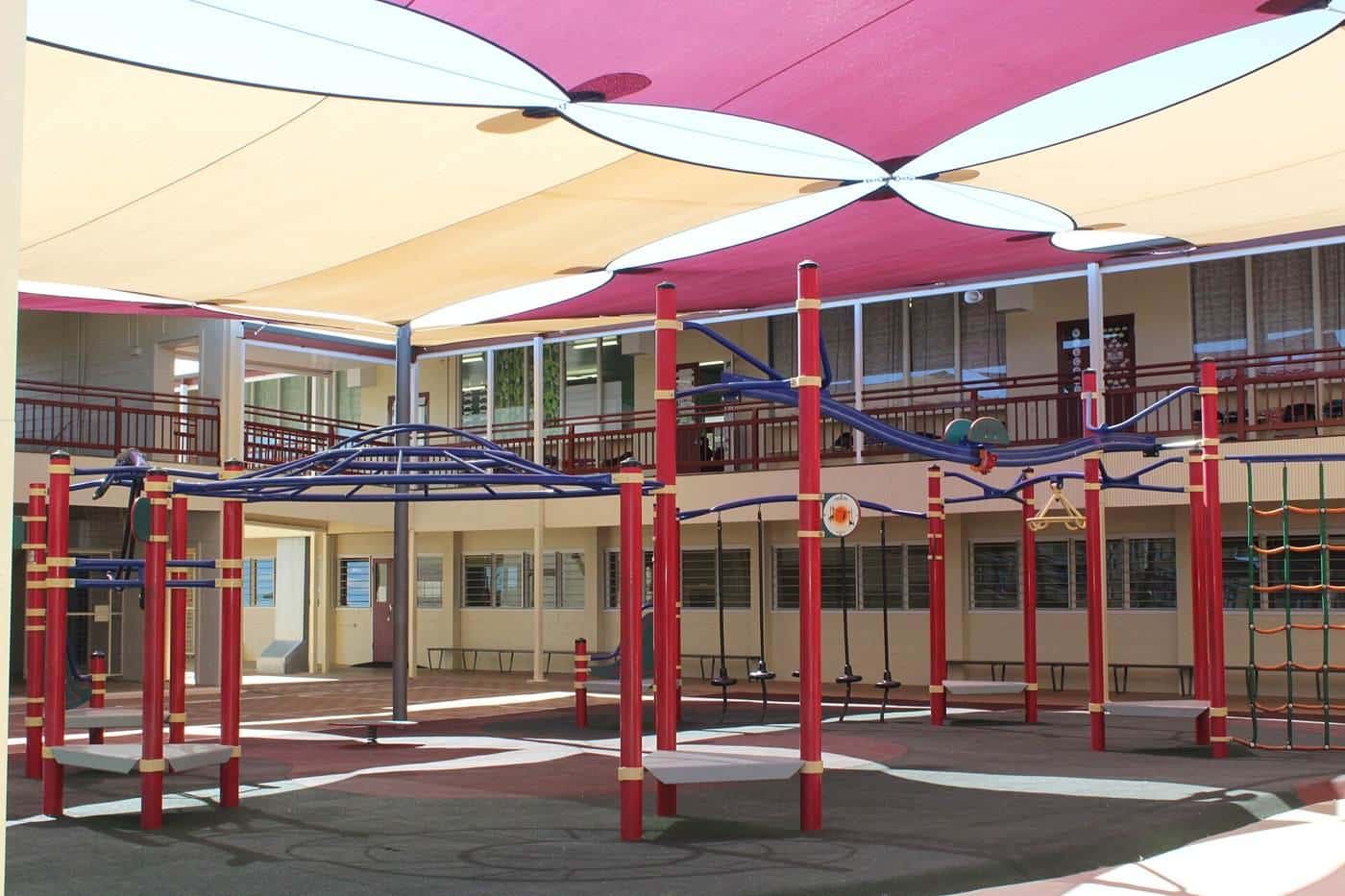
Different jobs suit different structures. For a few hours at the beach or the footy, a lightweight pop-up gazebo or a beach shelter may be enough. For a weekly market stall, a heavier commercial-grade gazebo with side walls and proper weights is a better investment. For a permanent outdoor room, a pergola or roofed patio designed for your site makes more sense than leaving a pop-up up all summer, which most manufacturers advise against. Shade sails suit areas that need large, light, open shade, such as playgrounds, driveways and pools, but they need strong fixing points and correct tensioning.
Think about the season and the time of day you will use the space. Afternoon sun from the west is lower and hotter in summer, so a structure that shades well at midday may leave people exposed at 4 pm. Side walls, screens and planting can help.
Who this guide is for
We write for households planning a backyard project, market stallholders and small businesses, sporting clubs and schools, campers and beachgoers, and event organisers. Our size planner helps you estimate how much cover you need, and each guide ends with practical checklists.
How we research
We base our guides on official and reputable sources, including Cancer Council Australia, the Australian Radiation Protection and Nuclear Safety Agency (ARPANSA), state planning portals and building authorities, the Australian Government's Your Home guide, the National Construction Code and Australian Standards references, and manufacturers' published care and safety instructions. We don't invent statistics, prices or reviews, and we list sources on every page. Read our editorial policy.
About this domain
gazebosaustralia.com.au was previously used by an online store selling portable gazebos, shade sails and outdoor products. That store has closed. The domain was relaunched in 2026 as an independent guide, and every page has been written from scratch. We are not connected with the previous operator or any retailer, and we don't sell products.
Key points
Pick a gazebo for how you will use it, size it with room to spare, and anchor every leg. Plan permanent structures properly, checking council rules and wind requirements. Use shade as part of a complete sun-protection routine, not on its own.