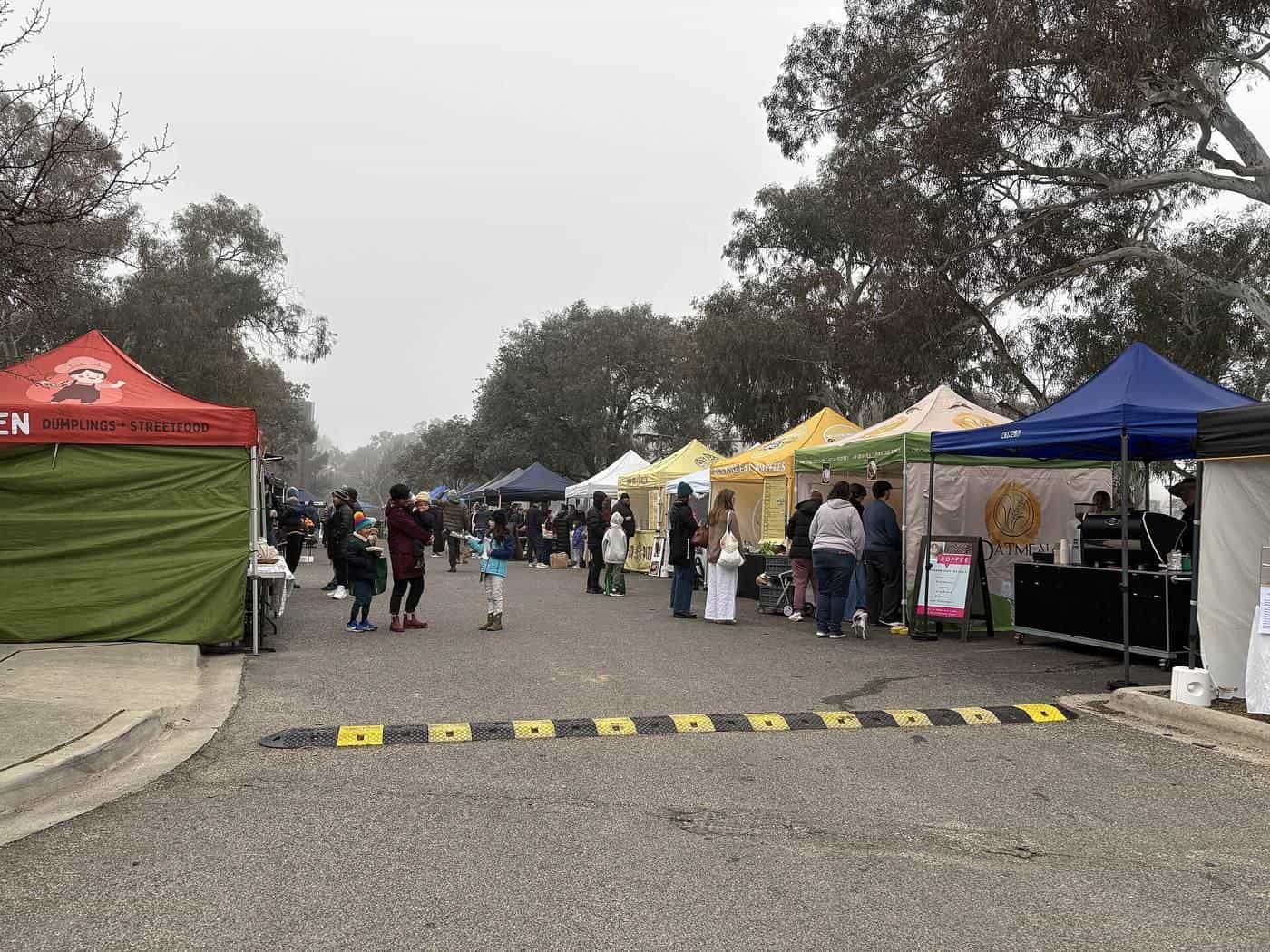
Pop-up gazebos are the quickest way to make shade in Australia. A folding frame, a fabric canopy and a carry bag give you a shelter you can put up in a few minutes almost anywhere: at a weekend market, on a sports sideline, at the beach, in a campground or in your own backyard. They are also easy to get wrong. Buy one that is too small, too light or too flimsy, or skip the weights, and it can fail in the first gust.
This section takes you through the decisions in order, from choosing a gazebo to looking after it.
Guides in this section
- Choosing a pop-up gazebo: frames, canopy fabrics, heights, walls and features that matter.
- Gazebo sizes explained: common sizes, how much space people need and how to plan the layout.
- Wind and anchoring: weights, pegs, guy ropes and when to pack down.
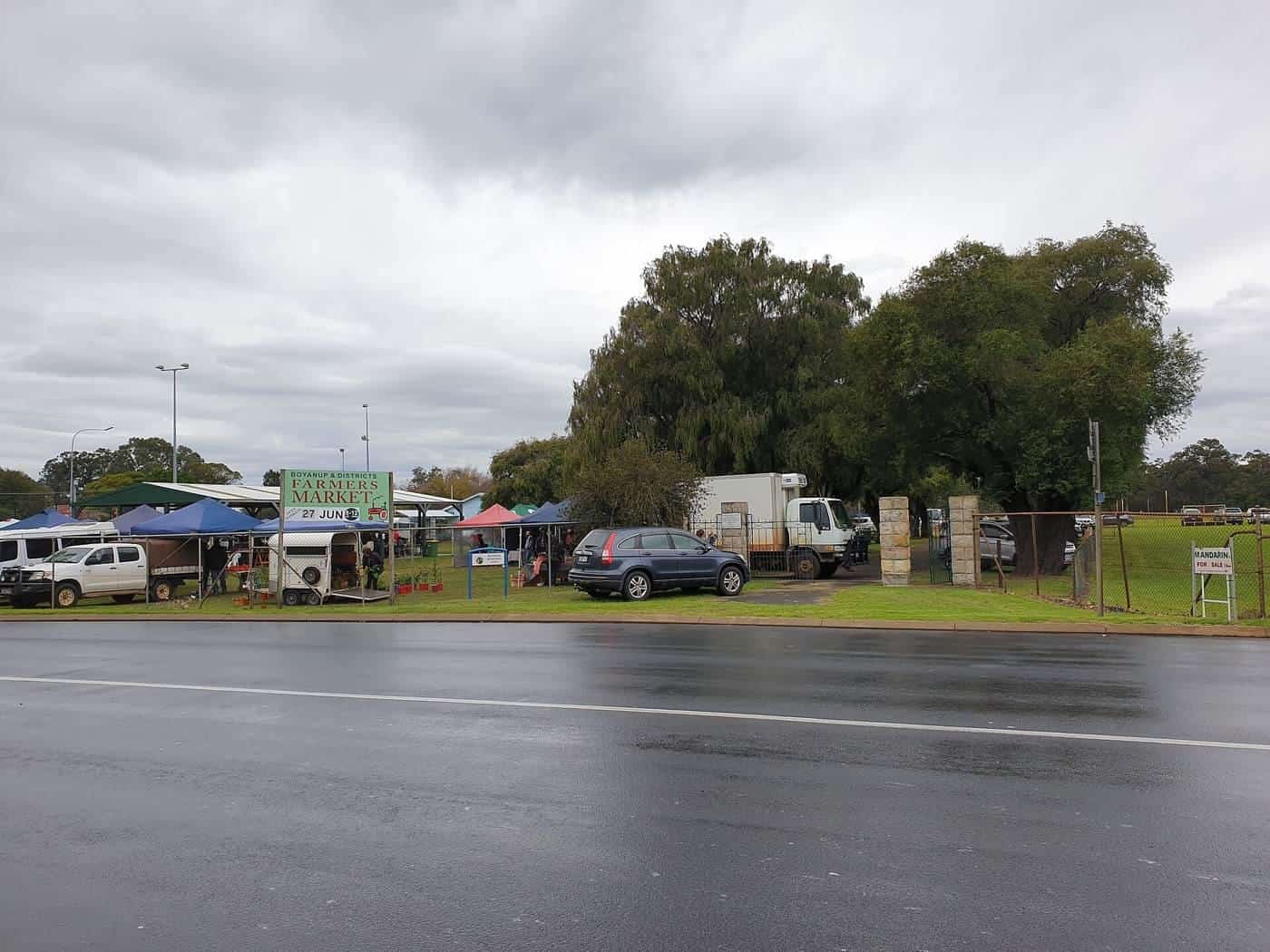
- Market stall gazebos: what stallholders need, from weights and walls to layout and display.
- Care and repair: cleaning, drying, storage, replacement canopies and fixing common faults.
Minutes
Typical set-up time
With two people
Every leg
Weights needed
Check event rules
Dry first
Before storing
Prevents mould
How a pop-up gazebo works
A pop-up gazebo has a scissor or concertina frame. The legs are joined by hinged trusses that fold together for storage and open out when you pull the frame apart. Sliding brackets on each leg lock the roof frame in place, and the legs telescope to adjust the height. A fabric canopy sits on top and is attached to the frame with hook-and-loop straps or ties. Side walls clip or zip onto the frame to block wind, sun and rain.
Because everything is designed to fold, the joints, brackets and plastic fittings are the weak points. A gazebo with thicker legs, metal brackets instead of plastic ones and a well-made truss will usually last much longer than one that looks similar but saves weight and cost in these areas.
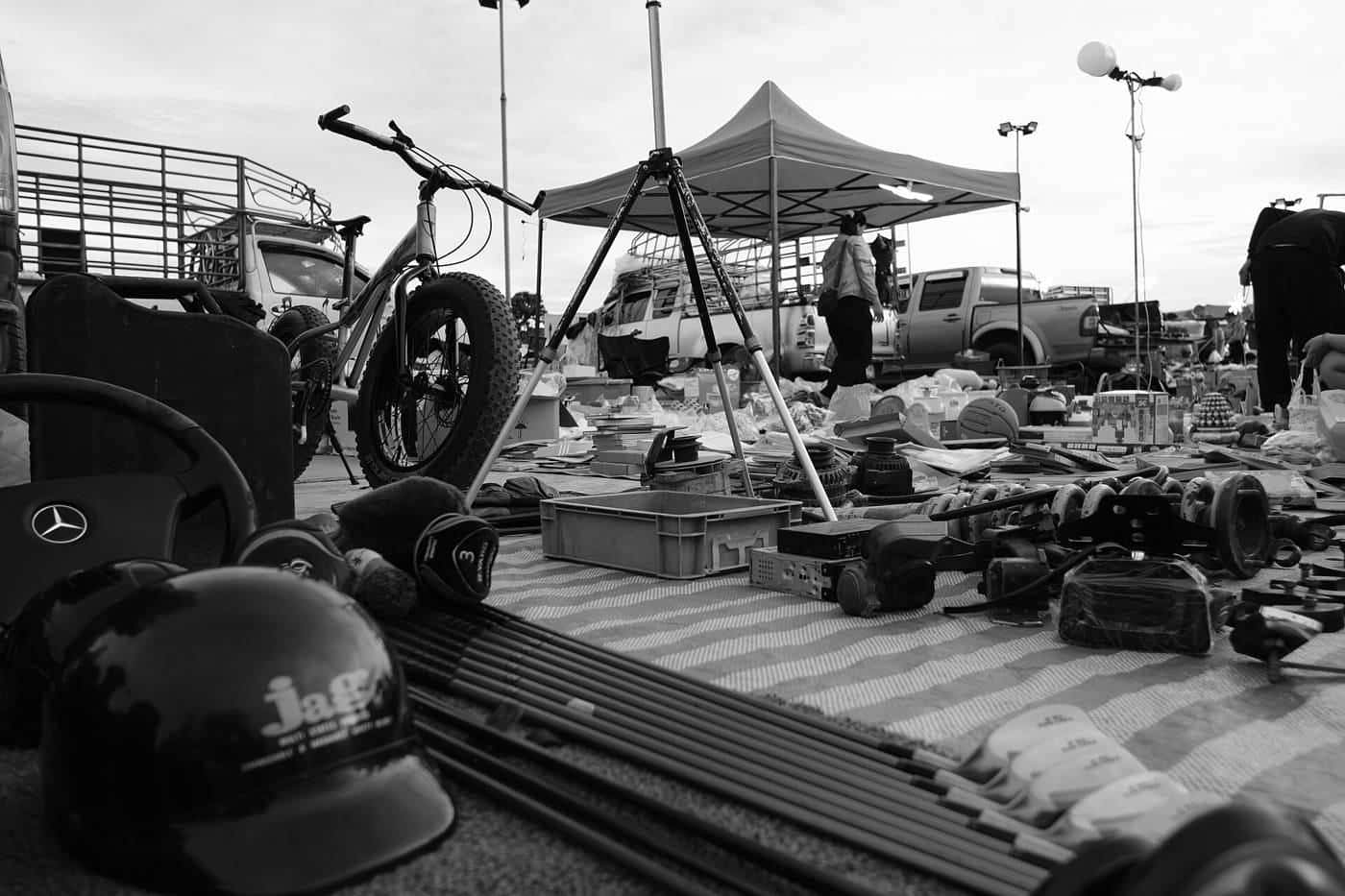
The main choices
Frame. Steel frames are common in cheaper gazebos. They are strong for the price and their weight helps a little in wind, but they are heavier to carry and can rust if the coating is damaged. Aluminium frames are lighter and resist corrosion, which suits coastal use and people who carry their gazebo often. In both, look at the leg profile, the wall thickness and the quality of the joints. Hexagonal or larger square legs tend to be stiffer than thin round ones.
Canopy. Most canopies are woven polyester with a waterproof or water-resistant coating such as PU or PVC. Heavier fabrics, a stated UV rating, taped seams and reinforced corners are signs of quality. A peaked roof sheds water better than a flat one.
Size. The 3 × 3 m gazebo is the most common size and suits many markets and families. Larger gazebos give more shade but catch more wind and are heavier. Our sizes guide and size planner help you choose.
Walls and accessories. Side walls add protection from wind, rain and low sun, and give stallholders a secure, branded space. Weights, guy ropes, pegs, gutters that join two gazebos, and a wheeled carry bag are all worth considering.
Using a pop-up gazebo safely
Wind is the biggest risk. Weigh down every leg, use guy ropes when you can, and keep an eye on the forecast. If the wind picks up, lower the legs, remove side walls that act like sails, and take the canopy down before it becomes dangerous. Don't leave a gazebo up unattended in changeable weather. In rain, keep the canopy tight so water drains off rather than pooling. Pooled water is heavy and can bend the frame.
Be careful with heat sources. Don't use barbecues, heaters or open flames under a gazebo unless the manufacturer says it is safe and the canopy is made from a fire-retardant fabric, and always follow fire danger rules and total fire ban days in your state.
Common mistakes
- Buying the cheapest frame for regular, heavy use.
- Choosing a size by the box price instead of how many people need shade.
- Leaving off weights because it looks calm.
- Packing away a wet canopy, which leads to mould and smells.
- Forcing a stuck frame instead of checking for a caught bracket.
Where to go next
Start with choosing a pop-up gazebo if you're buying, wind and anchoring if you already have one, or market stall gazebos if you're setting up a stall.
How to read product claims
Product listings often use terms without clear definitions. "Commercial grade", "heavy duty" and "waterproof" can mean very different things between brands. Ask for specifics: the leg profile and wall thickness, the canopy fabric and coating, whether seams are taped, what the UV rating is based on, the total weight and what the warranty covers. If a seller can't tell you, treat the claim with caution. Independent reviews, and talking to people who use a gazebo every weekend, such as market stallholders and sports clubs, are often more useful than marketing.
Pop-up gazebos for different uses
Backyard and parties. Occasional use, often on grass, where pegs and guy ropes work well. A mid-range 3 × 3 m or 3 × 4.5 m gazebo is usually enough, with side walls if you want shelter from low afternoon sun.
Sport. Clubs and parents use gazebos on sidelines at all kinds of venues. Grounds may not allow pegs, so weights are essential. Clubs often buy branded gazebos as a shared asset and set rules about who puts them up and when.
Beach and camping. Sand and soft ground need sand pegs, sand bags or other suitable anchors, and coastal wind can be strong and gusty. Aluminium frames resist corrosion from salt air.
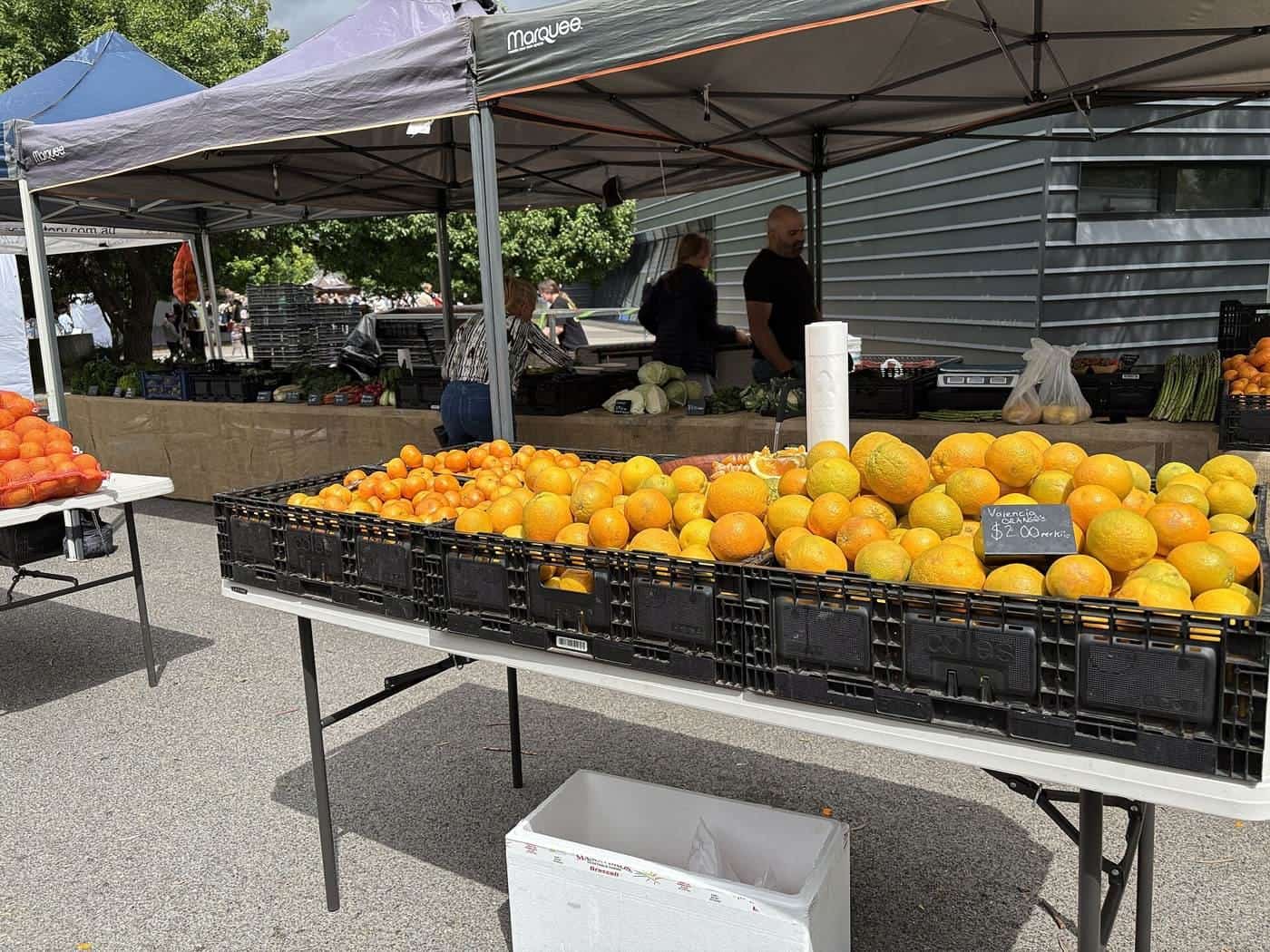
Markets and events. Regular, repeated use in public places, often on hard surfaces. This is where quality frames, proper weights and fire-retardant, well-made canopies earn their keep. See our market stall guide.
Key points
Pop-up gazebos are quick, portable shade, but they are temporary shelters. Choose a frame and canopy for how often and where you will use them, size for the people under them, weigh down every leg and pack down before the wind does it for you. Dry the canopy before storing it.
Guides in this section
Pop-up gazebos
How to choose a pop-up gazebo
How to choose a pop-up gazebo in Australia: steel vs aluminium frames, leg profiles, canopy fabrics and coatings, UV ratings, height, walls, weight and warranty.
Read · 5 min
Pop-up gazebos
Gazebo sizes explained
Common gazebo sizes in Australia explained: 2.4 × 2.4, 3 × 3, 3 × 4.5, 3 × 6 m and larger, how much space people and tables need, height and planning tips.
Read · 5 min
Pop-up gazebos
Wind and anchoring for pop-up gazebos
How to anchor a pop-up gazebo safely: leg weights, pegs, guy ropes, sand anchors, reading the forecast, and when to lower or pack down in wind.
Read · 5 min
Pop-up gazebos
Market stall gazebos
Gazebos for market stallholders in Australia: choosing a frame, weights and market rules, walls and branding, layout, display and food stalls.
Read · 5 min
Pop-up gazebos
Gazebo care, storage and repair
How to clean, dry and store a pop-up gazebo, prevent and treat mould, repair small tears, fix sticking frames and replace a worn canopy or broken parts.
Read · 5 min
Frequently asked questions
What is a pop-up gazebo?
A portable shelter with a folding, concertina-style frame and a fabric canopy. The frame expands and locks into place, so one or two people can put it up in minutes without tools.
Steel or aluminium frame?
Steel is usually cheaper and heavier, which helps in wind but makes it harder to carry. Aluminium is lighter and doesn't rust, but good aluminium frames cost more. Wall thickness and joint quality matter as much as material.
Can I leave a pop-up gazebo up permanently?
Most manufacturers say no. Pop-up gazebos are designed as temporary shelters and can be damaged by wind, rain pooling and long UV exposure if left up.
Are pop-up gazebos waterproof?
Many canopies are water resistant rather than fully waterproof. Look for a coated fabric with taped seams, and keep the roof tight so water runs off instead of pooling.
How many weights do I need?
One on every leg as a minimum. Markets and events often set their own minimum weight per leg, so check their rules.