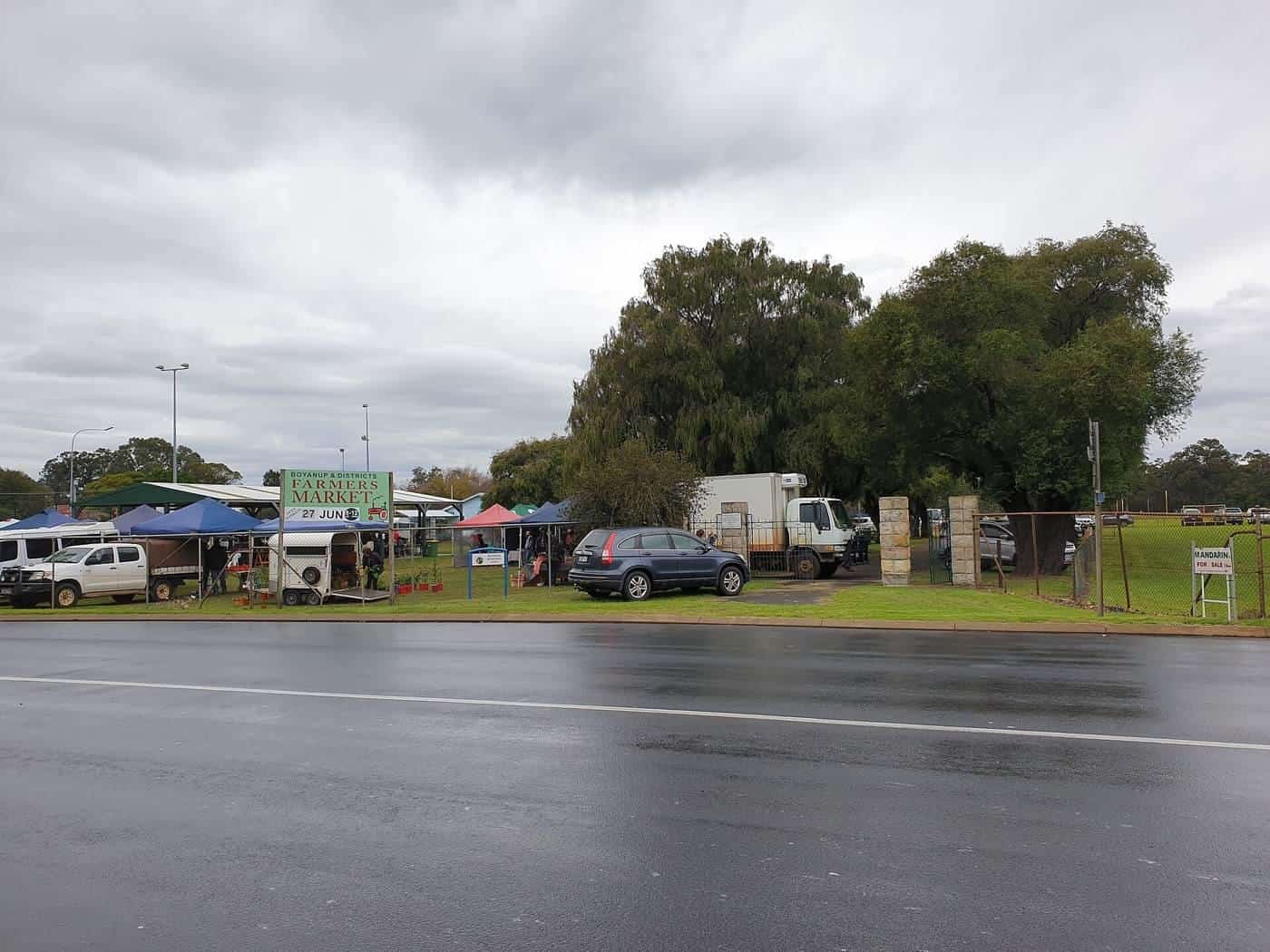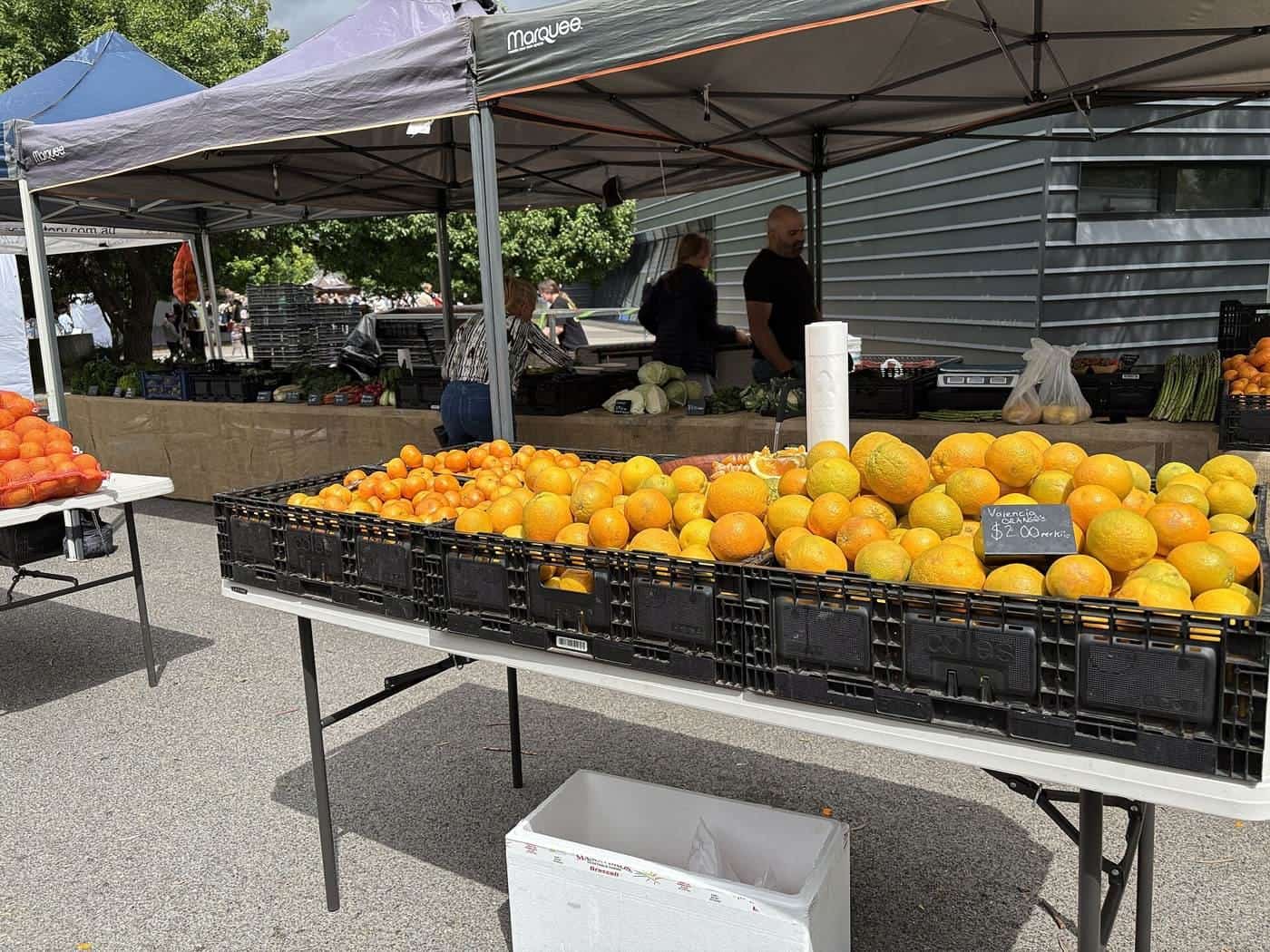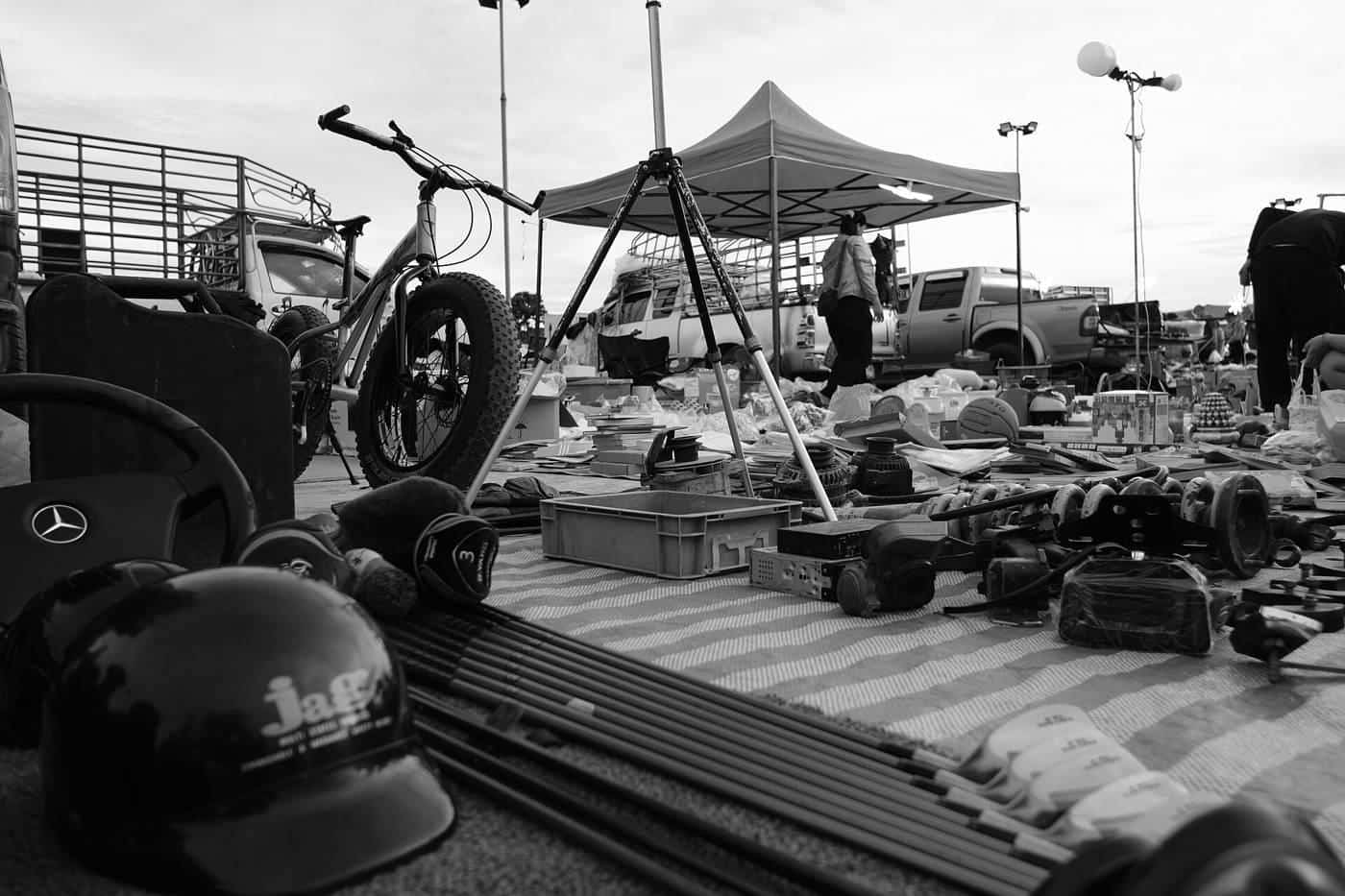
Australian markets, from farmers markets and makers markets to night markets and school fetes, run on pop-up gazebos. For a stallholder, the gazebo is a shopfront, a sun shelter and a piece of safety equipment all at once. Getting it right makes market days easier and more profitable; getting it wrong can mean damaged stock, lost customers or a gazebo that injures someone.
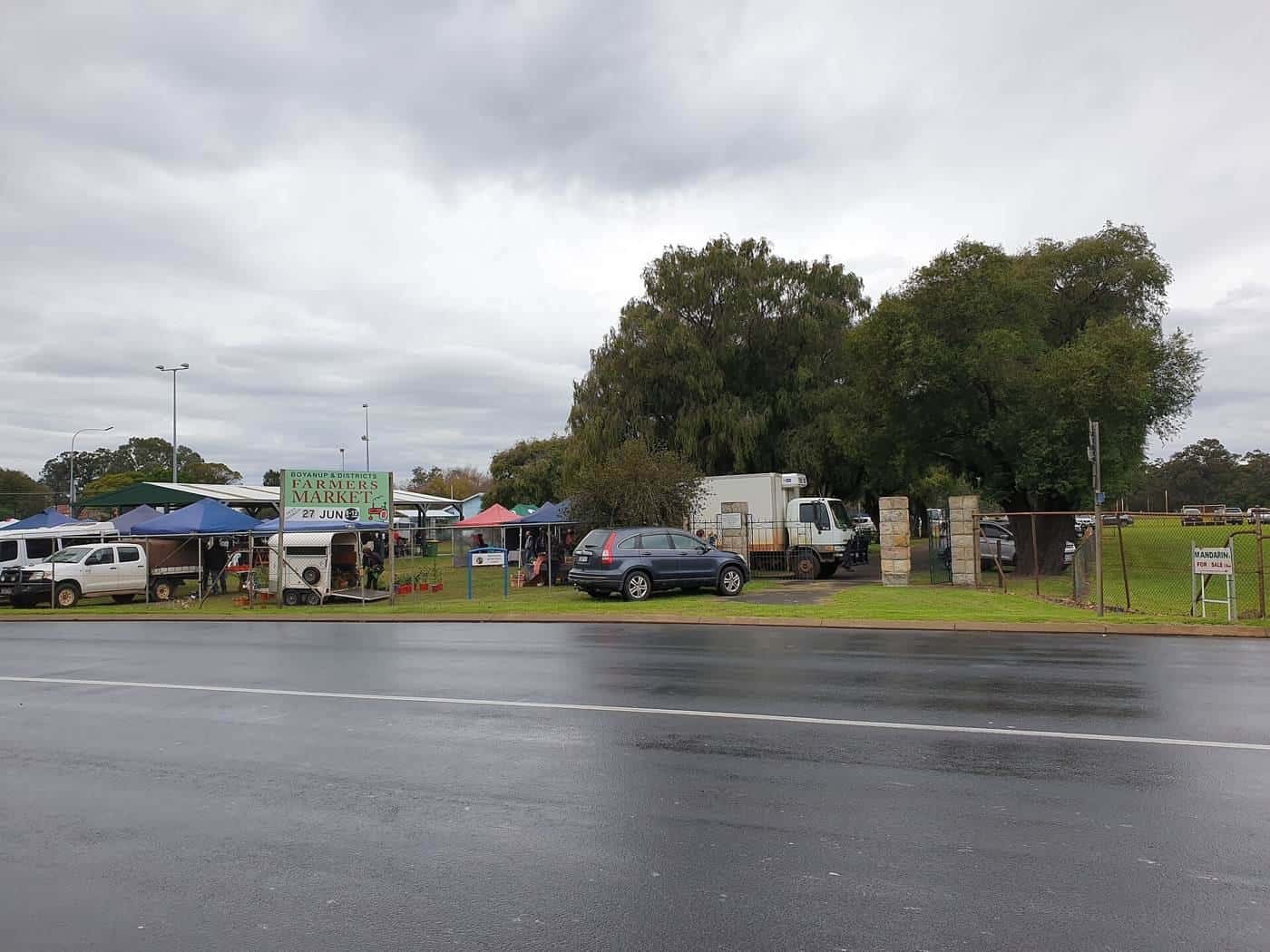
Read the market rules first
Before you buy anything, read your market's stallholder information. Rules commonly cover:
- Site size, and whether your gazebo, weights and guy ropes must fit inside it.
- Weights, often with a minimum weight per leg and a ban on pegs on hard surfaces.
- Canopy colour, for a uniform look at some markets.
- Fire-retardant fabric, especially for food stalls.
- Public liability insurance, which many markets require.
- Set-up and pack-down times, vehicle access and where you can park.
- Wind policy, including when the organiser may require gazebos to come down.
Food stalls usually have extra requirements from the local council and food safety rules. Food Standards Australia New Zealand publishes guidance on temporary food premises.
3 × 3 m
Common site size
Check your market
Every leg
Weights
Often a market rule
Insurance
Often required
Public liability
Choosing a market gazebo
Market use is hard on gazebos. They go up and down every week, often in a hurry, in all weather. A heavier-duty frame with strong joints, a coated canopy with reinforced corners and a good wheeled bag will save money over time. See choosing a pop-up gazebo.
Look for:
- a frame that one or two people can set up quickly;
- legs that take weights easily;
- solid side walls, including a back wall, to block wind and sun;
- a light canopy colour, unless the market sets one;
- fire-retardant fabric if you cook or the market requires it;
- spare parts and replacement canopies.
Weights and wind
Weights are essential at markets, where gazebos are close to crowds and often on hard surfaces. Fix weights securely to every leg, follow the market's minimum, and remove walls and pack down if the wind builds. One loose gazebo can damage neighbouring stalls and injure shoppers. Read wind and anchoring for details.
Walls and branding
Side walls do several jobs. A back wall blocks wind and sun and hides your stock and boxes. Side walls separate you from neighbours. A front wall or half wall turns the gazebo into a counter. Printed canopies and walls with your business name and logo help shoppers find you again. Banners and flags should be secured so they don't add dangerous wind load.
Layout and display
A good layout draws people in and makes it easy to browse and buy.
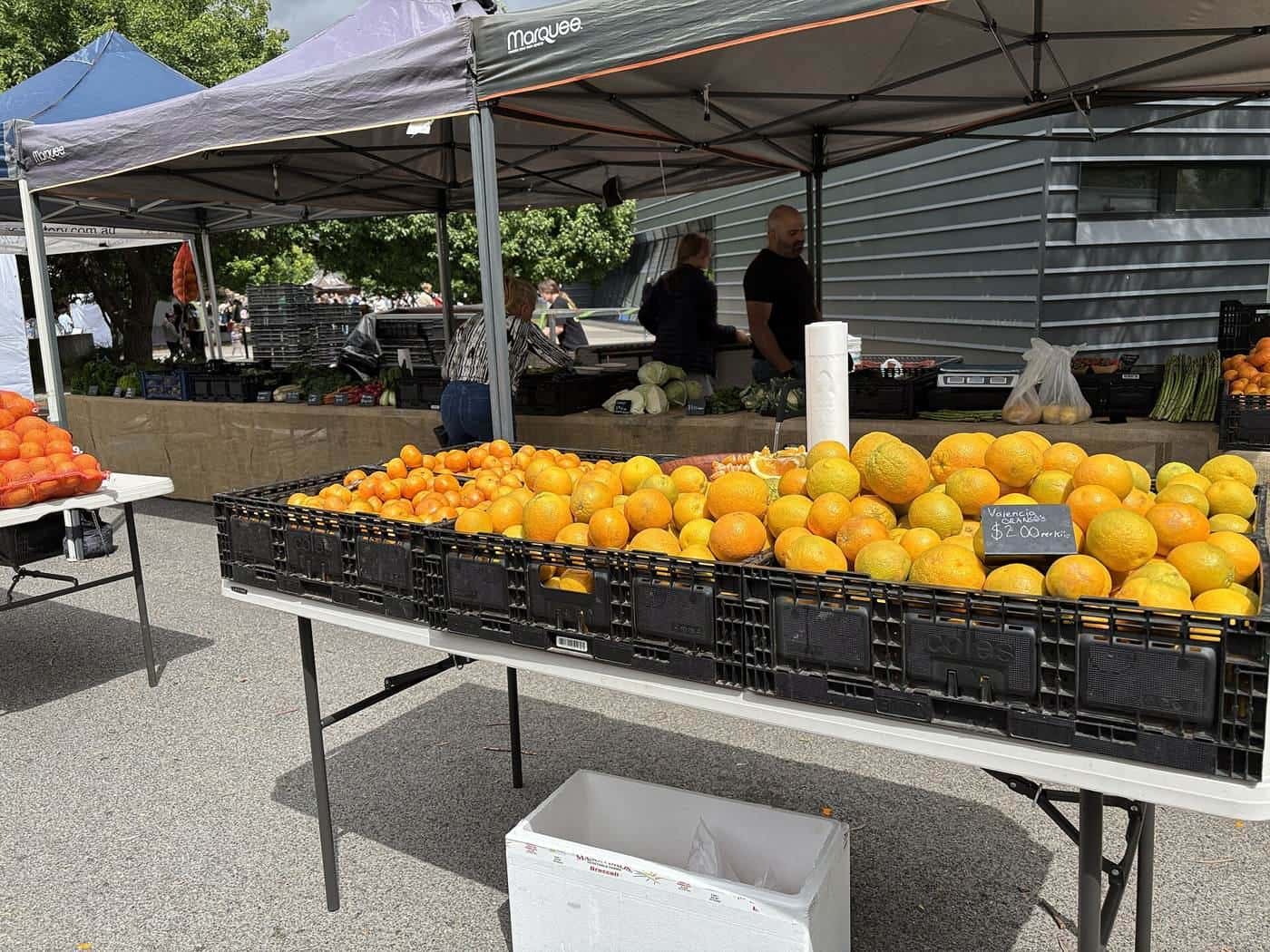
- Open front. Avoid blocking the front with a single long table. An L-shape or U-shape invites people into the stall.
- Height. Use shelves, crates and risers to bring products to eye level.
- Shade. Keep products that spoil or fade out of direct sun, remembering that shade moves through the day.
- Lighting. At night markets, battery LED lighting makes products stand out.
- Clear pricing. Easy-to-read price signs help shoppers decide without having to ask.
- Payment. A visible card reader and clear payment options.
Comfort and sun safety
Market days are long. Cancer Council recommends combining shade with clothing, a hat, sunscreen and sunglasses when the UV index is 3 or above. Side walls on the sunny side, a hat and regular breaks help. Drink water and plan for heat. In winter, side walls also cut cold wind.
Setting up and packing down
Practise putting the gazebo up at home. On market day, arrive early, set up the frame and weights first, then walls, then tables and stock. When packing down, remove stock and tables first, then walls, then the canopy and frame. If the canopy is wet, dry it as soon as possible at home. See care and repair.
Market day kit
0 of 8 done
Ticks are saved in this browser only.
Common mistakes
- Buying a gazebo that doesn't fit the market's site size.
- Arriving without enough weights.
- Blocking the stall with a single table across the front.
- Leaving perishable or delicate stock in the sun.
- Packing a wet canopy and leaving it for days.
Running costs
Factor the gazebo into your stall costs. Frames and canopies wear out, weights and walls add up and accessories get lost. Set aside money to replace a canopy or frame when needed, and track how long equipment lasts.
Working with neighbours
Markets are communities. Agree with neighbouring stallholders on where your walls and guy ropes go, offer a hand during set-up and pack-down, and keep an eye on each other's gazebos in wind. If a neighbour's gazebo looks unsafe, tell them or the organiser. A loose gazebo is a danger to everyone nearby.
Starting out
If you're new to markets, visit a few as a shopper and watch how established stallholders set up. Look at their gazebos, weights, walls and displays, and how they handle wind and sun. Many are happy to share tips. Start simple, then add walls, branding and display pieces as you learn what works for your products.
Weather on market day
Check the forecast the night before and again in the morning, looking at wind, gusts, rain, heat and UV. Bring walls for wind and rain, extra weights, a tarp for covering stock and water for hot days. If the market organiser calls for gazebos to come down because of wind, act quickly and help neighbours if you can. Protect stock first, then pack down the gazebo safely. On very hot days, keep heat-sensitive stock out of the sun and take regular breaks.
Food and fire safety
Food stalls usually need council registration or notification for temporary food premises, and markets often add their own rules. These can include a fire-retardant canopy, a fire extinguisher or fire blanket, safe separation of gas bottles and cooking equipment from the canopy, and hand-washing facilities. Check requirements with your council and the market before your first day.
Accessibility
Make your stall easy for everyone to visit. Keep the entry clear of guy ropes and trip hazards, put popular products within reach of people using wheelchairs or prams, and make price signs large and easy to read.
Key points
Read the market rules first. Choose a durable gazebo that fits the site, weigh every leg, use walls for wind, sun and branding, design an open, inviting layout and look after yourself on long, sunny days.
Frequently asked questions
What size gazebo do I need for a market?
Match your market's site size. Many markets offer 3 × 3 m sites, but some offer smaller or larger sites. Check whether the gazebo and its weights must fit inside your pitch.
Do markets require gazebo weights?
Many do, and some set a minimum weight per leg. Check your market's stallholder rules before your first day.
Do I need public liability insurance for a market stall?
Many markets require stallholders to have public liability insurance. Ask the market organiser what they require.
What colour gazebo is best for a market?
White or light canopies keep the space cooler and make products look true to colour. Some markets require a particular colour for a uniform look.
Do food stalls need special gazebos?
Food stalls often have extra requirements from the market and local council, such as fire-retardant canopies, food safety measures and fire safety equipment. Check with both.
Sources and further reading
Facts on this page were checked against these primary and official sources. Conditions change — confirm before you travel or buy.
- Temporary food premises — Food Standards Australia New Zealand
- Public liability insurance — business.gov.au
- Be SunSmart — Cancer Council Australia
- Wind warnings — Bureau of Meteorology