Walk around any Australian suburb and you'll see a mix of outdoor structures: timber pergolas covered in vines, steel patios with metal roofs, octagonal garden gazebos, thatched Bali huts and shade sails stretched over driveways. The names are often used loosely, but the structures do different jobs, cost different amounts and can face different approval rules.
The main structures
Gazebo
Freestanding, roofed
Open sides
Pergola
Posts and beams
Open or covered roof
Patio
Solid roof
Rain shelter
Gazebo
A gazebo is a freestanding, roofed structure, traditionally octagonal or square with open sides. The word is used in Australia for both permanent garden pavilions and portable pop-up shelters. Permanent gazebos give a defined, sheltered spot in the garden, often as a focal point. Rotundas in parks are a larger, public version.
Good for: a garden feature, a sheltered seating area away from the house, spa or barbecue cover.
Pergola
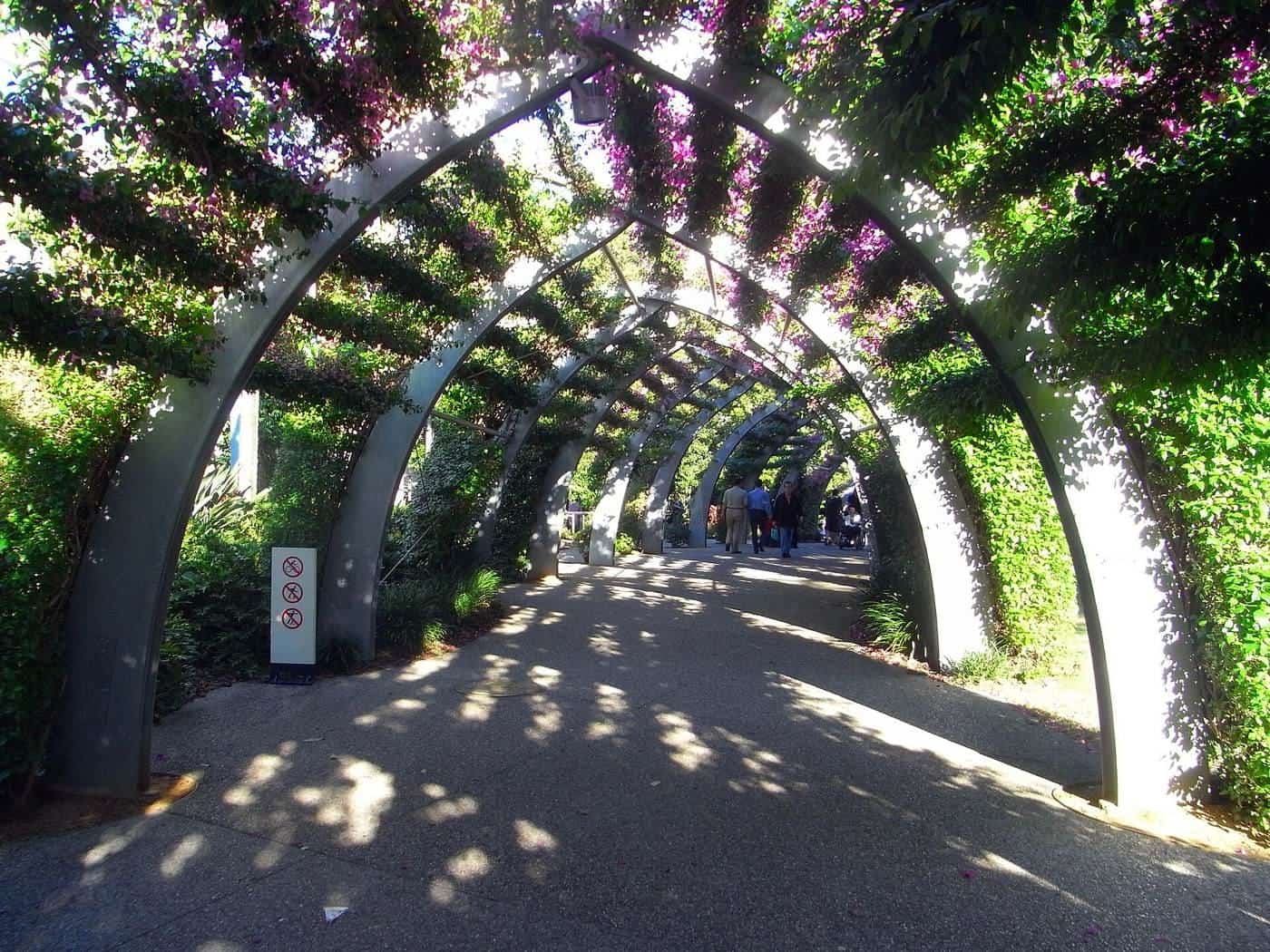
A pergola is a frame of vertical posts supporting beams and an open roof of rafters or battens. It provides partial, dappled shade, especially with climbing plants or shade cloth. Pergolas can be freestanding or attached to the house.
Good for: filtered shade on a deck or patio, supporting climbing plants, shading north- and west-facing walls while letting winter sun in if deciduous vines are used.
Roofed patio or verandah
A roofed patio uses a pergola-style frame with a solid roof, such as metal sheeting, insulated panels or polycarbonate. It shelters from rain as well as sun and creates an outdoor room. It is usually attached to the house.
Good for: year-round outdoor living, outdoor kitchens and dining, protecting outdoor furniture.
Louvred roofs
Adjustable louvre systems have aluminium blades that open to let in light and air or close to keep out rain. They combine features of a pergola and a patio but usually cost more.
Bali hut and pavilion
A Bali hut is a freestanding, open-sided pavilion with a steep, usually thatched or thatch-look roof. Modern versions use synthetic thatch, which can reduce maintenance. Pavilions come in many styles.
Arbour
A small arch or frame, often over a path, gate or bench, designed to support climbing plants.
Shade sail
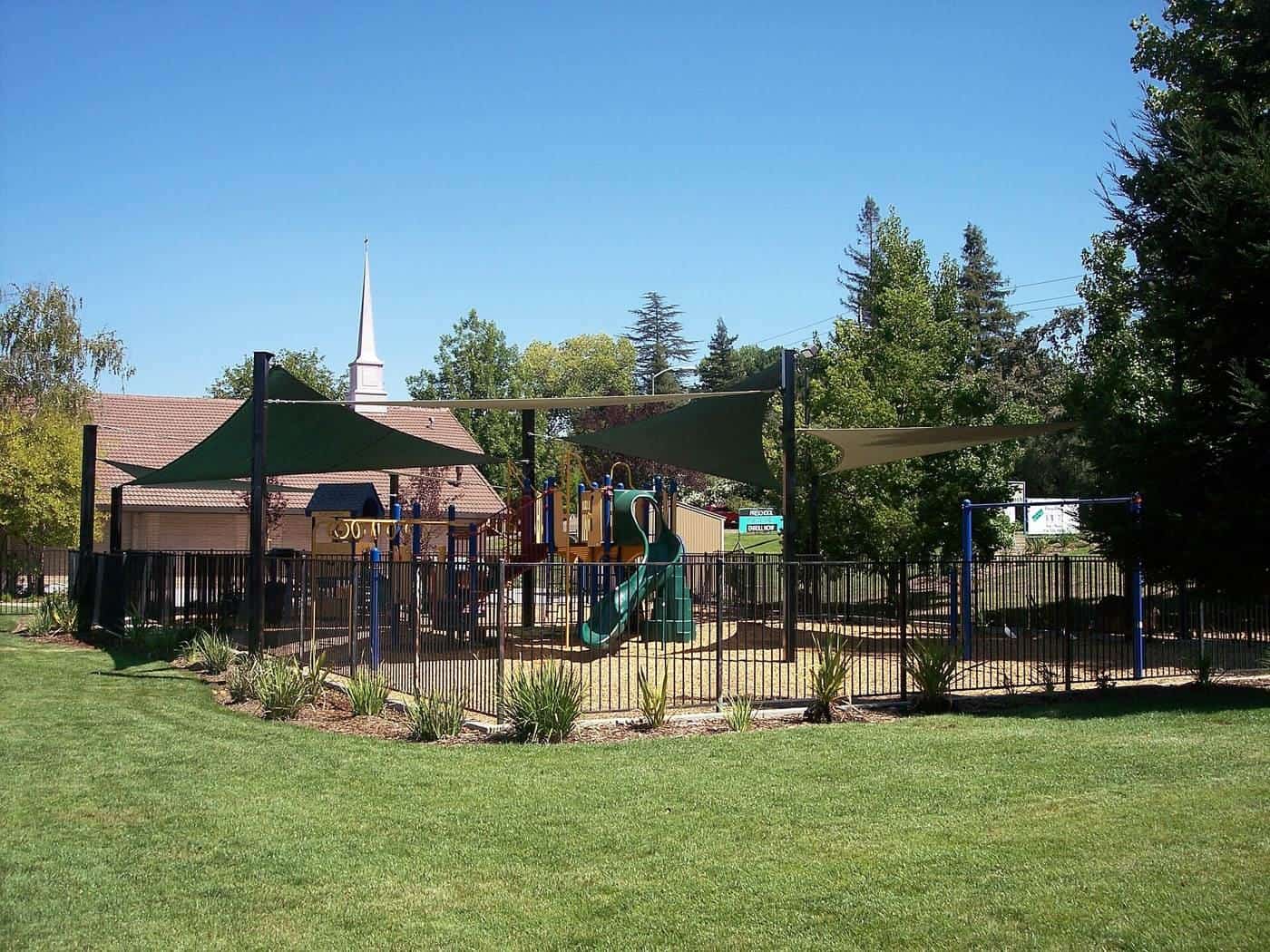
A tensioned fabric panel fixed to posts or buildings. Sails give large areas of light shade at a lower cost than a solid roof, but don't keep out heavy rain. See shade sails.
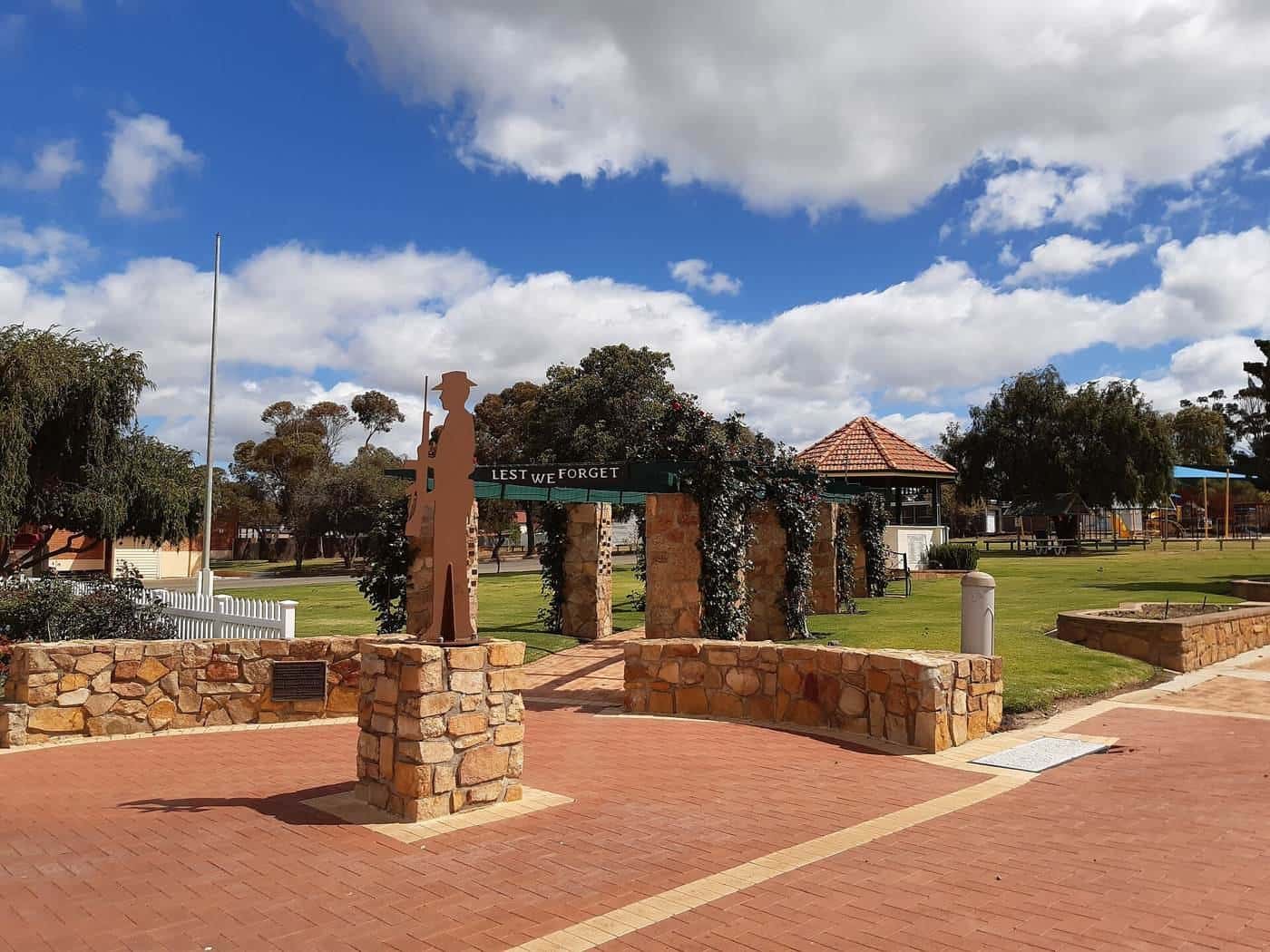
Comparing them
Shade. Solid roofs give the deepest shade. Pergolas and sails give lighter, filtered shade that varies with the covering.
Rain. Only solid roofs and closed louvres keep rain out reliably. Sails and open pergolas don't.
Light and heat. Solid roofs can darken adjoining rooms and trap heat if not ventilated. Open pergolas, deciduous vines and louvres let more winter light in. The Your Home guide explains how fixed shading on the north side can block high summer sun while letting low winter sun through.
Cost. Open pergolas and sails are often cheaper than roofed structures of a similar size, but costs vary widely.
Approval. Requirements depend on size, height, location, whether the structure is attached and whether it is roofed. Small, open, freestanding structures are more likely to be exempt than large, roofed, attached ones. See council approval.
How to choose
Start with how you'll use the space:
- Outdoor dining and entertaining in all weather: roofed patio or louvred roof.
- Filtered shade with plants: pergola.
- A garden retreat: gazebo or pavilion.
- Large, light shade over play areas, pools or driveways: shade sails.
- Occasional events: a quality pop-up gazebo.
Then consider how the structure works with the house. An attached patio should match the roof line, gutters and materials. A freestanding gazebo can be placed to make the most of views, shade or privacy.
Climate considerations
In hot northern climates, ventilation and deep shade matter most, and cyclone ratings apply in some regions. In southern climates, letting winter sun in can be just as important as shade in summer. On the coast, corrosion-resistant materials help. On bushfire-prone land, materials and design may need to meet bushfire requirements. See materials.
Common mistakes
- Choosing a solid roof where winter sun is valuable.
- Building an open pergola and expecting rain shelter.
- Forgetting drainage from a new roof.
- Ignoring how the structure looks from inside the house.
- Skipping approvals.
Combining structures
Many backyards use more than one type of shade. A roofed patio might shelter the dining area next to the house, with a pergola and vines further out, a shade sail over the play area and trees for long-term cooling. Thinking about the whole outdoor space, rather than one structure at a time, often gives a better result.
Questions for designers and builders
When you talk to a designer or builder, ask how the structure will handle wind on your site, what footings it needs, how water will drain, which approvals they will arrange, what materials they recommend for your climate, and what maintenance will be needed. Ask to see similar projects they have built, and check their licence with your state regulator.
Freestanding or attached?
Attaching a pergola or patio to the house can make it feel like an extension of the indoor living space, share an existing wall and gutter line, and save on posts. But it involves the house structure. Fixings must be into suitable framing, the roof must be flashed properly to avoid leaks, and water from the new roof must be managed. A freestanding structure avoids these issues, can be placed anywhere in the garden and may face different approval rules, but needs its own posts and footings throughout.
Budgeting
Costs vary widely with size, materials, footings, roofing, site access, approvals and finishes. Get several written quotes for the same design so you can compare them fairly, and set aside a contingency for surprises such as rock, poor soil or underground services found when digging footings. Remember to include lighting, fans, paving, furniture and planting if they are part of the plan.
Living with the choice
Think about how the space will feel in each season. An open pergola is lovely on a mild spring evening but offers little shelter in a summer storm. A solid roof keeps the rain off but can make the room behind it darker in winter. Many people find that a combination works best, such as a roofed section near the house and an open pergola further out.
Maintenance compared
Timber pergolas and gazebos need regular re-coating. Metal roofs need gutter cleaning. Louvres need moving parts checked. Thatch needs periodic replacement, and sails need re-tensioning and removal before storms. Factor upkeep into the choice.
Key points
Gazebos are freestanding, roofed shelters; pergolas are open post-and-beam frames; patios have solid roofs; sails give large areas of light shade. Choose by how you will use the space, rain and winter-sun needs, budget and approvals.
Frequently asked questions
What is the main difference between a gazebo and a pergola?
A gazebo is usually a freestanding structure with a solid roof and open sides. A pergola is a frame of posts and beams with an open or partly covered roof, and is often attached to the house.
Does a pergola keep the rain out?
A traditional open pergola doesn't. Adding a solid roof, polycarbonate sheets or closable louvres makes it a roofed patio or covered pergola, which keeps rain out.
What is an arbour?
A small arch or frame, often over a path or bench, designed to support climbing plants.
Which is cheapest?
An open pergola or shade sail is often cheaper than a fully roofed structure of the same size, but costs depend on materials, size, site and approvals.
Which structure adds the most value?
It depends on the home and the market. A well-built, approved structure that suits the house and how people live is more likely to appeal to buyers than one that looks tacked on.
Sources and further reading
Facts on this page were checked against these primary and official sources. Conditions change — confirm before you travel or buy.
- Pergola — Wikipedia
- Gazebo — Wikipedia
- Your Home – Shading — Australian Government
- Exempt development — NSW Planning Portal